
A SPECIFIC COMMERCIAL OPPORTUNITY
Crushed Aggregate Reuse
Produce test-graded crushed concrete for suitable, approved civil-engineering applications.
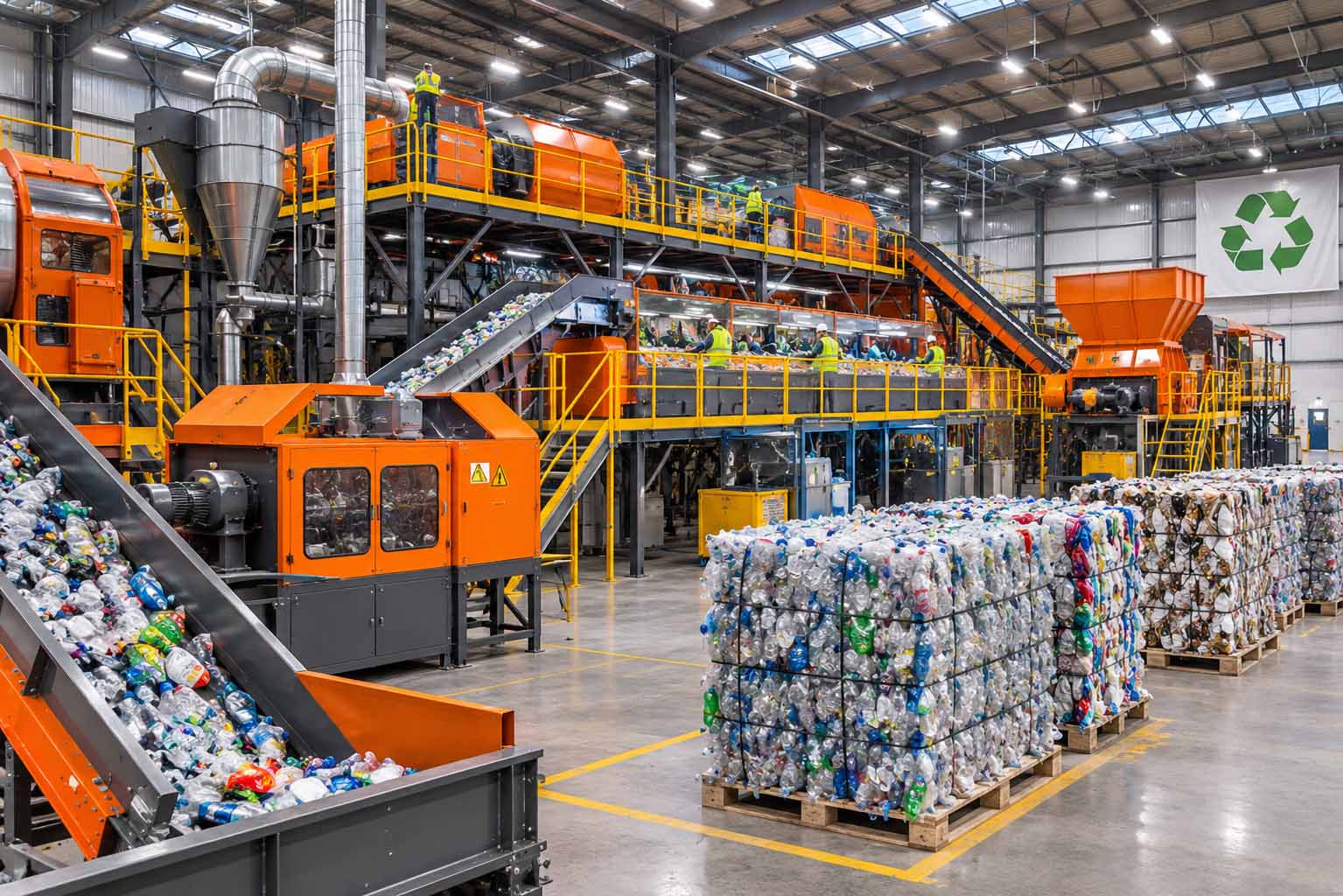
A business proposition that can be tested.
Concrete rubble is heavy, which makes distance to the construction market a major economic factor. A processor near Agadir could accept segregated, non-hazardous concrete from known demolition or construction sites, remove metal and other contaminants, crush it and screen it into defined aggregate sizes. The most credible early markets are approved sub-base layers, backfill and temporary works where engineers can specify allowable composition and performance. It is not responsible to advertise recycled aggregate as automatically acceptable in structural concrete or seismic-critical construction. Batch testing must address grading, fines, contamination, absorption and any required mechanical characteristics. The sale is only attractive if delivery costs undercut or compete with conventional quarry material and the receiving engineer accepts the specification. Environmental permissions for dust, noise and runoff are essential. Investors should secure both an incoming supply contract and a pilot road or civil works customer, then compare yield, crushing costs, transport distances and field performance with natural aggregates.
Potential customer and delivery model
Primary buyer: Civil works contractors, road builders, developers and aggregate distributors
Entry model: Segregated rubble crushing, screening, grading and project-specific approved sales
What must be proven first
Check accepted end-use standards, contaminated load exclusion, quarry price and freight
Land, utilities, eligibility for incentives, import duties, certification and expected revenues require transaction-specific verification.
Have a product, process or customer already in mind?
We can discuss demand, local partners, production stages, site requirements and the first commercial tests. Nothing on this page is a guaranteed investment return or a confirmed order.
Return to the 25 circular economy and recycling opportunities · Evidence register