
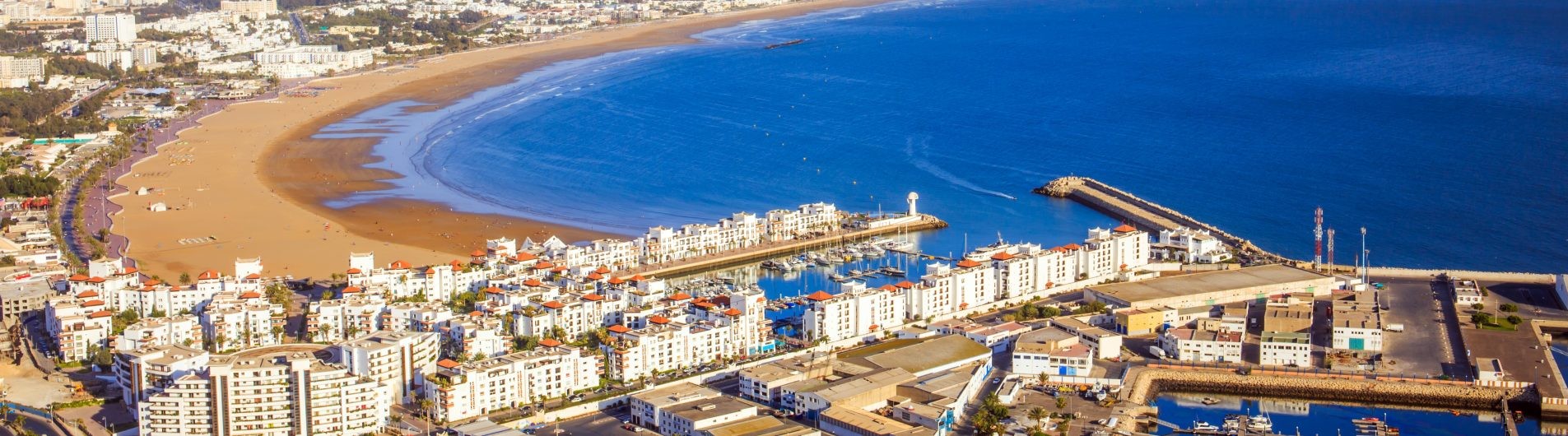
AGADIR INVESTMENT PRESENTATION
The scale of the transformation
This is larger than preparation for the 2030 World Cup.
Agadir’s major transformation began with the Urban Development Programme 2020–2024. The city’s Communal Action Plan describes a programme of 94 projects across six components with a total budget of approximately MAD 6.2 billion. The 2030 World Cup is now an additional accelerator, particularly for the stadium, transport, airport and visitor infrastructure.
The investment case is therefore not one event. It is the accumulation of better access, more public amenities, a stronger tourism product, new employment districts and planned urban expansion.
01
Mobility changes land values
FROM A COASTAL CITY
TO A CONNECTED METROPOLITAN NETWORK
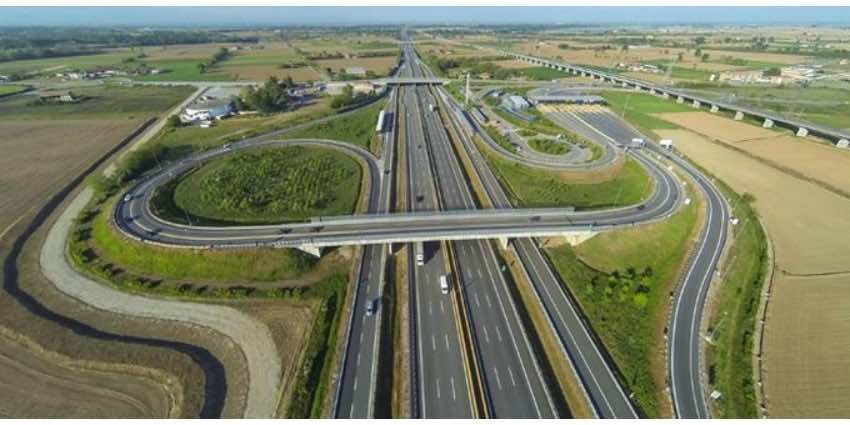
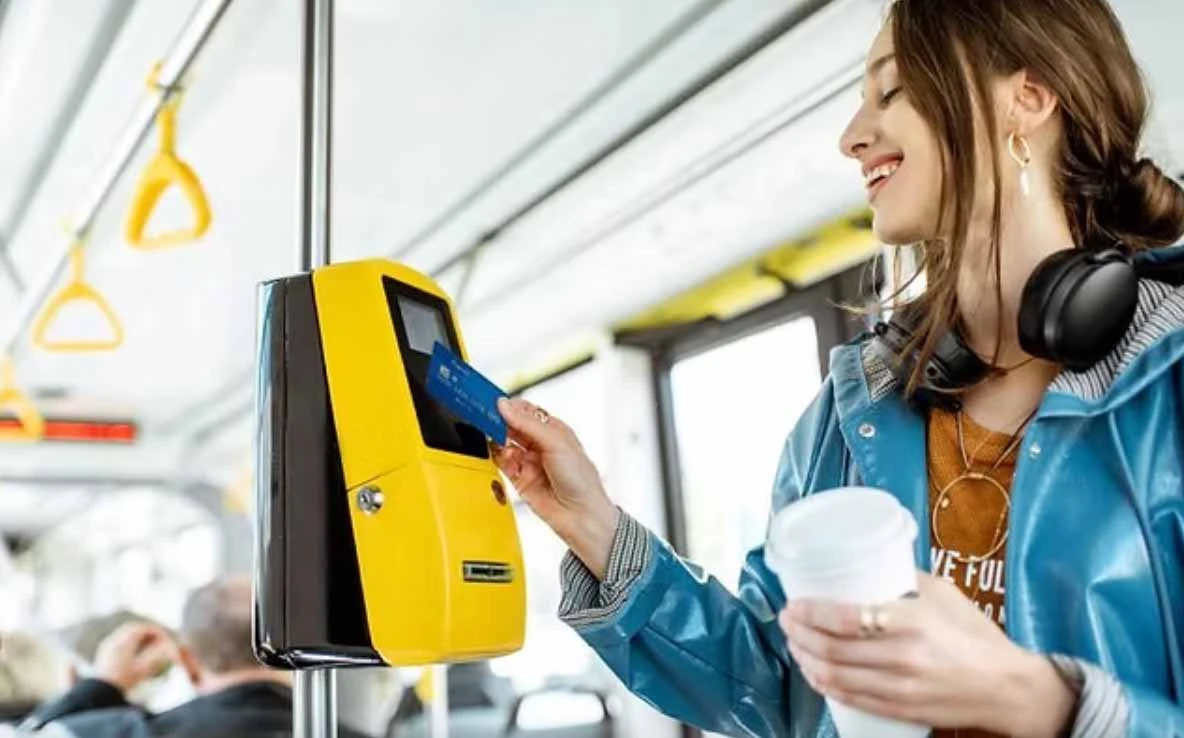
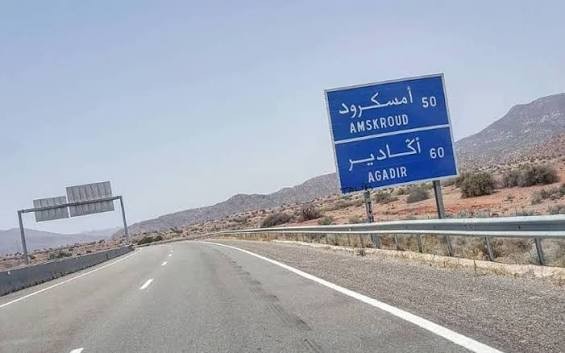
Ring roads, new urban axes, rapid transit and upgraded entrances are shortening journeys and making previously peripheral districts more accessible. For property investors, this matters because accessibility can alter the practical boundary of the investable city.
02
Tourism, events and year-round demand
AIRPORT, STADIUM, CONVENTIONS AND A BETTER PUBLIC REALM
Agadir is investing in the visitor journey from arrival to experience: airport capacity, a World Cup-ready stadium, upgraded tourist districts, parks, cultural venues and a convention offer. These projects broaden demand beyond traditional resort tourism.
03
A new urban structure
THE CITY IS EXPANDING EAST, SOUTH AND NORTH
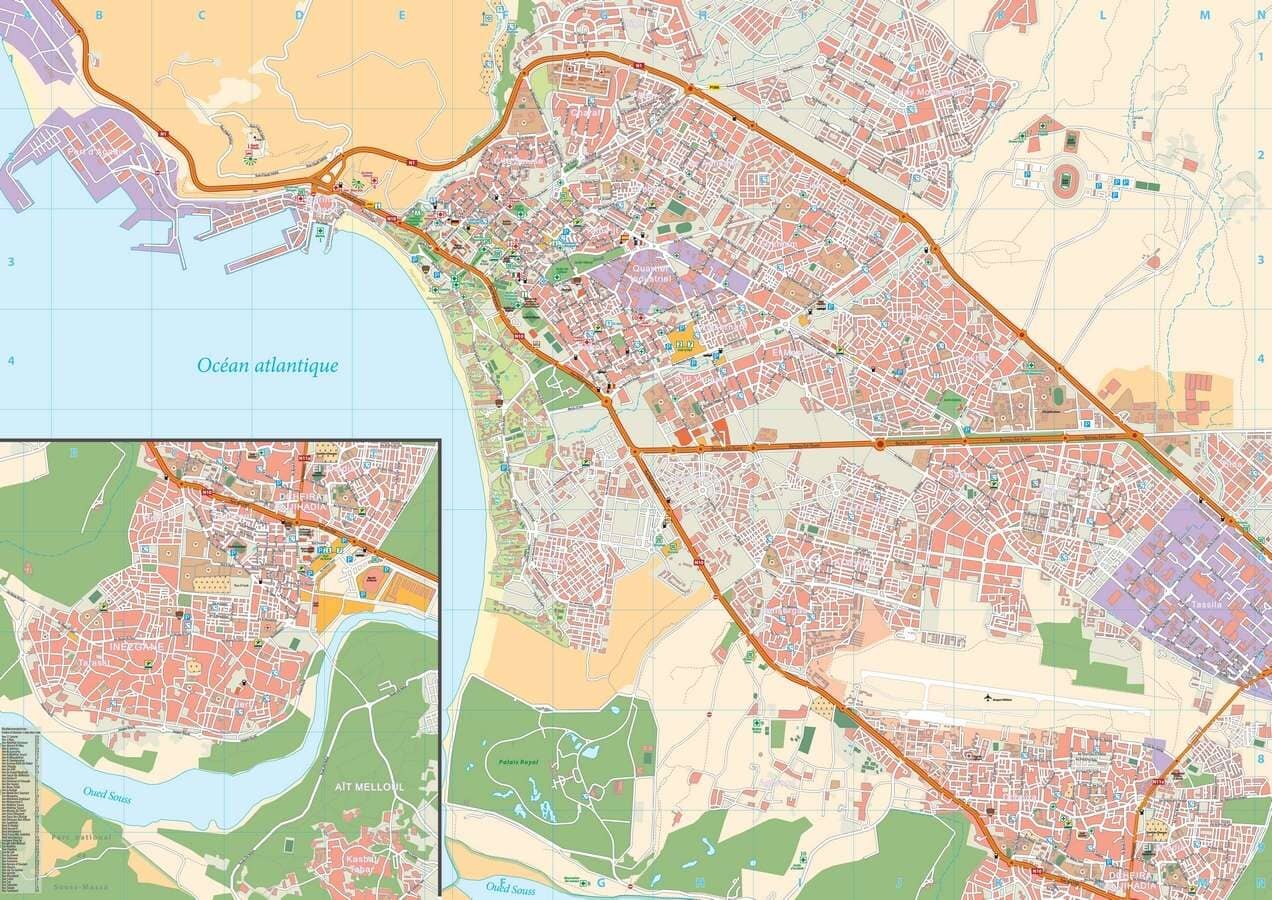
The municipality and Urban Agency are moving from isolated subdivisions to sector plans and new urban centres. Agadir South, the New Urban Pole, Hay Mohammadi, Tikiouine, Anza/North and the Temsia–Drarga corridor are part of a broader metropolitan structure.
NEW URBAN POLE
Approved in 2022. A mixed urban centre around health, sport, education, services and future mobility.
AGADIR SOUTH
The Communal Action Plan identifies this as one of the city’s largest sector-planning areas; the plan was homologated in 2026.
TIKIOUINE
A 2026 draft plan links housing areas with Drarga and Dcheira and programmes roads, facilities and green space.
TEMSIA
The communal development plan is designed to accommodate a future population of 76,585 by 2035.
04
Employment base
GROWTH IS NOT ONLY TOURISM
Haliopolis, Agropole, industrial acceleration zones, logistics projects and technology activity around Drarga broaden the permanent employment base. Housing demand is stronger when residents have diverse sources of income, not only seasonal visitor spending.
Project atlas
40 PROJECTS
SHAPING THE NEXT AGADIR
Each card distinguishes the project status, the type of visual and the investment relevance. Images are credited to the source organisation or publication; concept visuals are not presented as completed construction.
 01
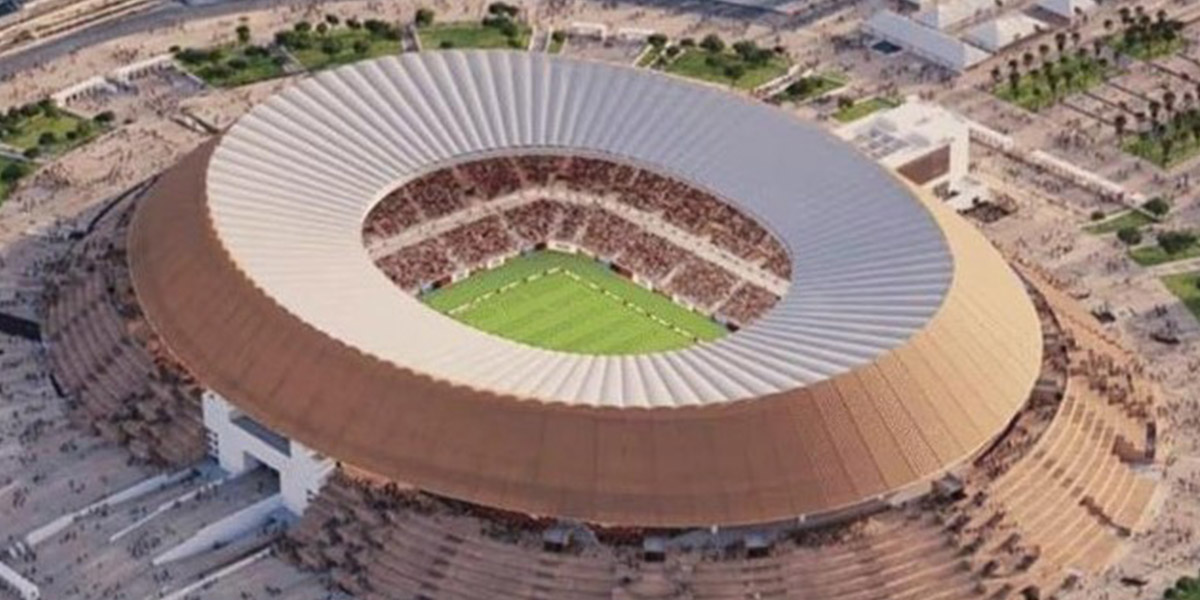
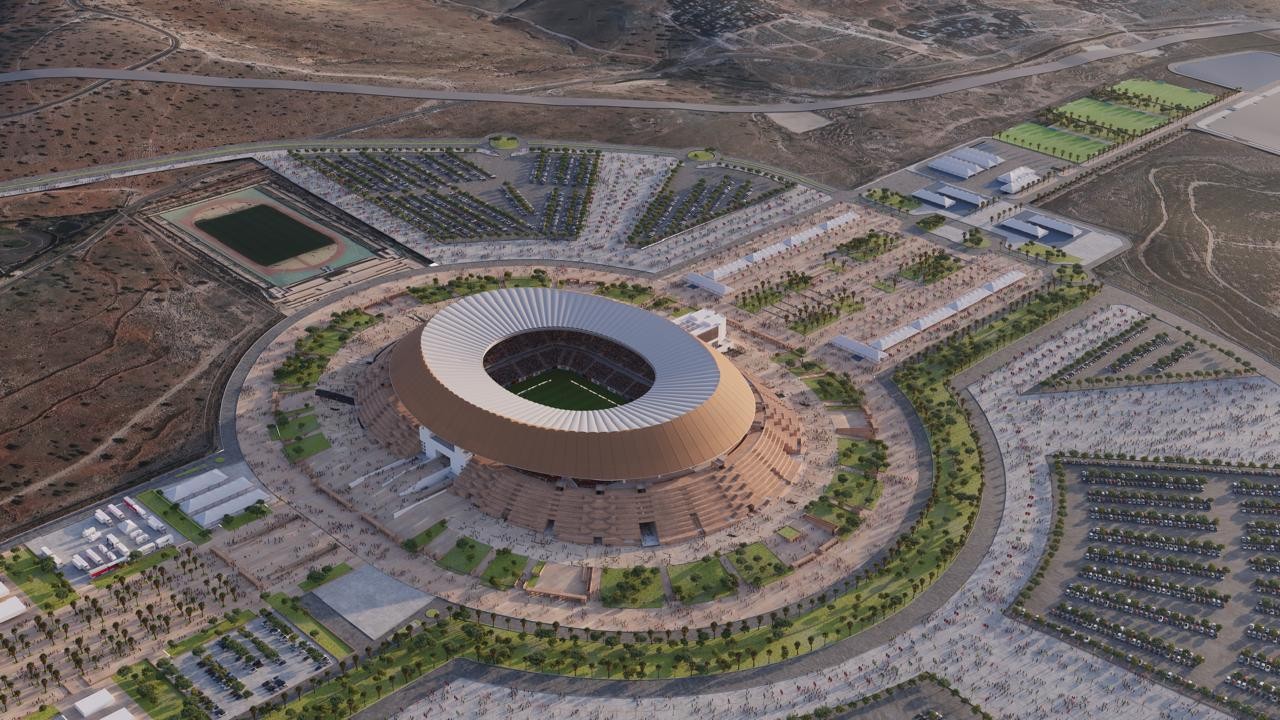
Grand Stade d'Agadir — Phase 2
Full roofing, façade and hospitality upgrades ahead of 2030. The stadium district is becoming a year-round event and visitor destination.
Source: SONARGES ↗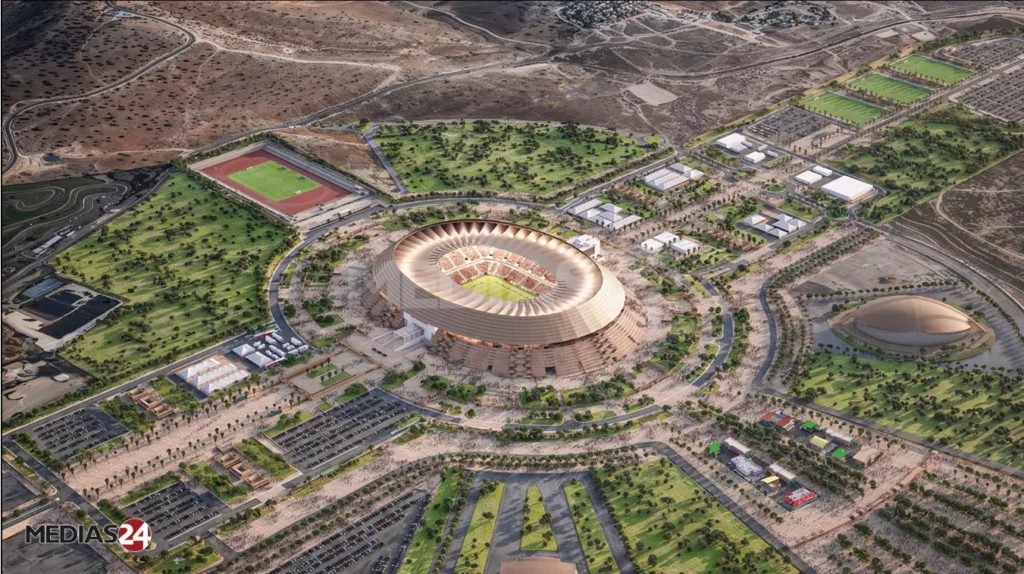 02
Grand Urban Park around the Stadium
Landscaping, pedestrian space, roads and parking turn the stadium into an urban district rather than a stand-alone venue.
Source: Médias24 / project context ↗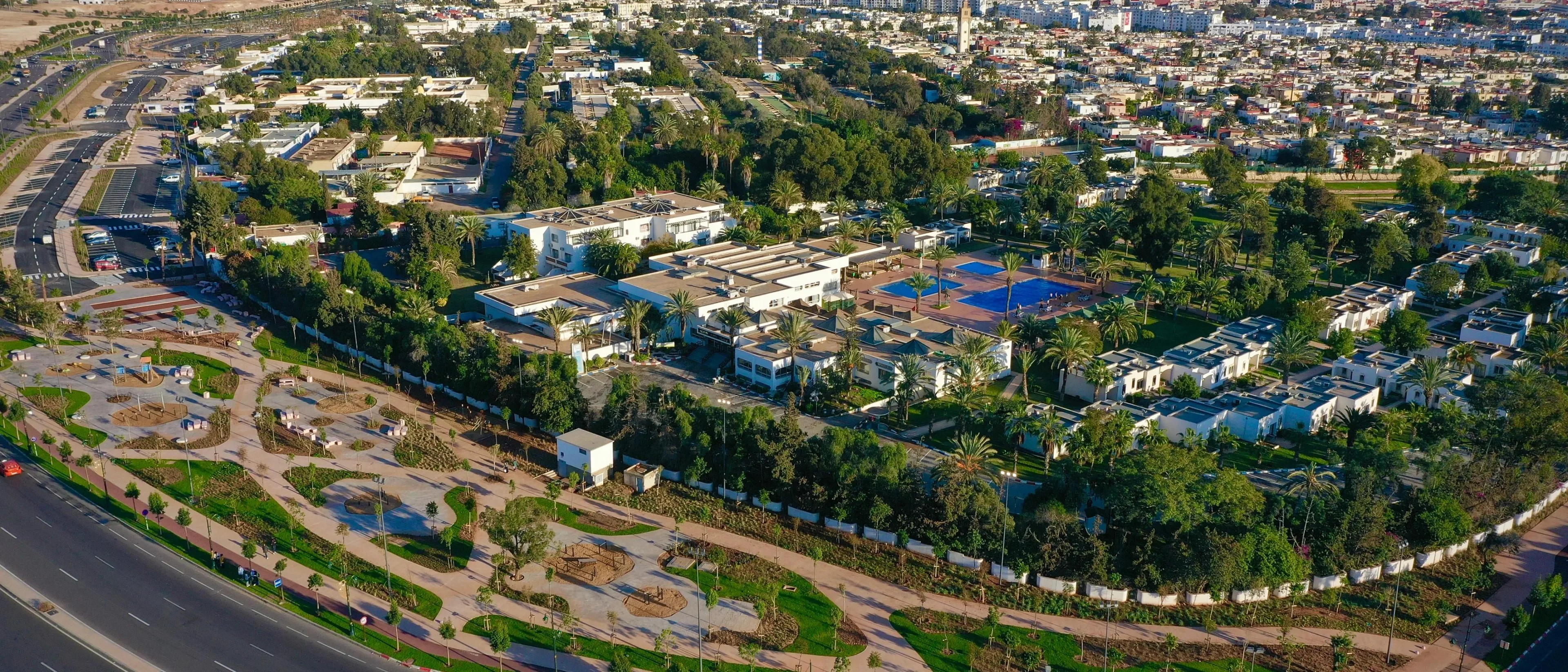 03
Health, Sports & Urbanity City
A new mixed-use centrality around the stadium and university hospital, combining health, sport, education, housing and services.
Source: Agadir Urban Agency / plan context ↗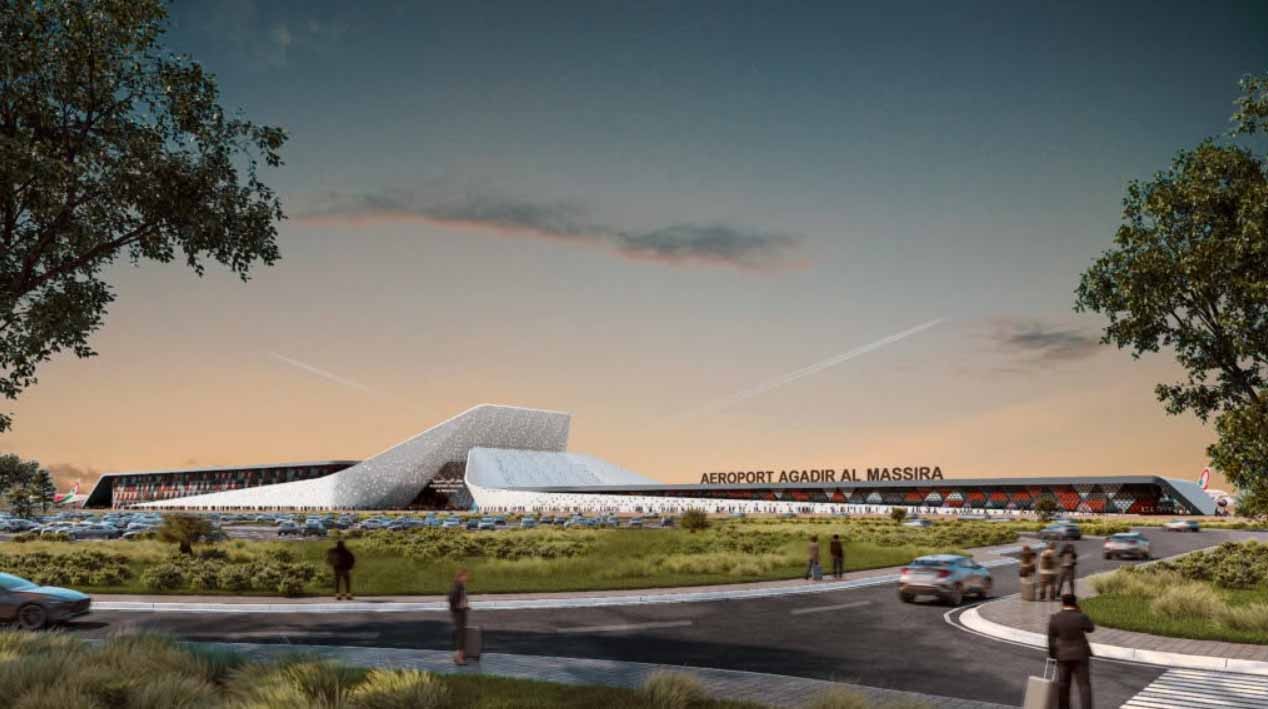 04
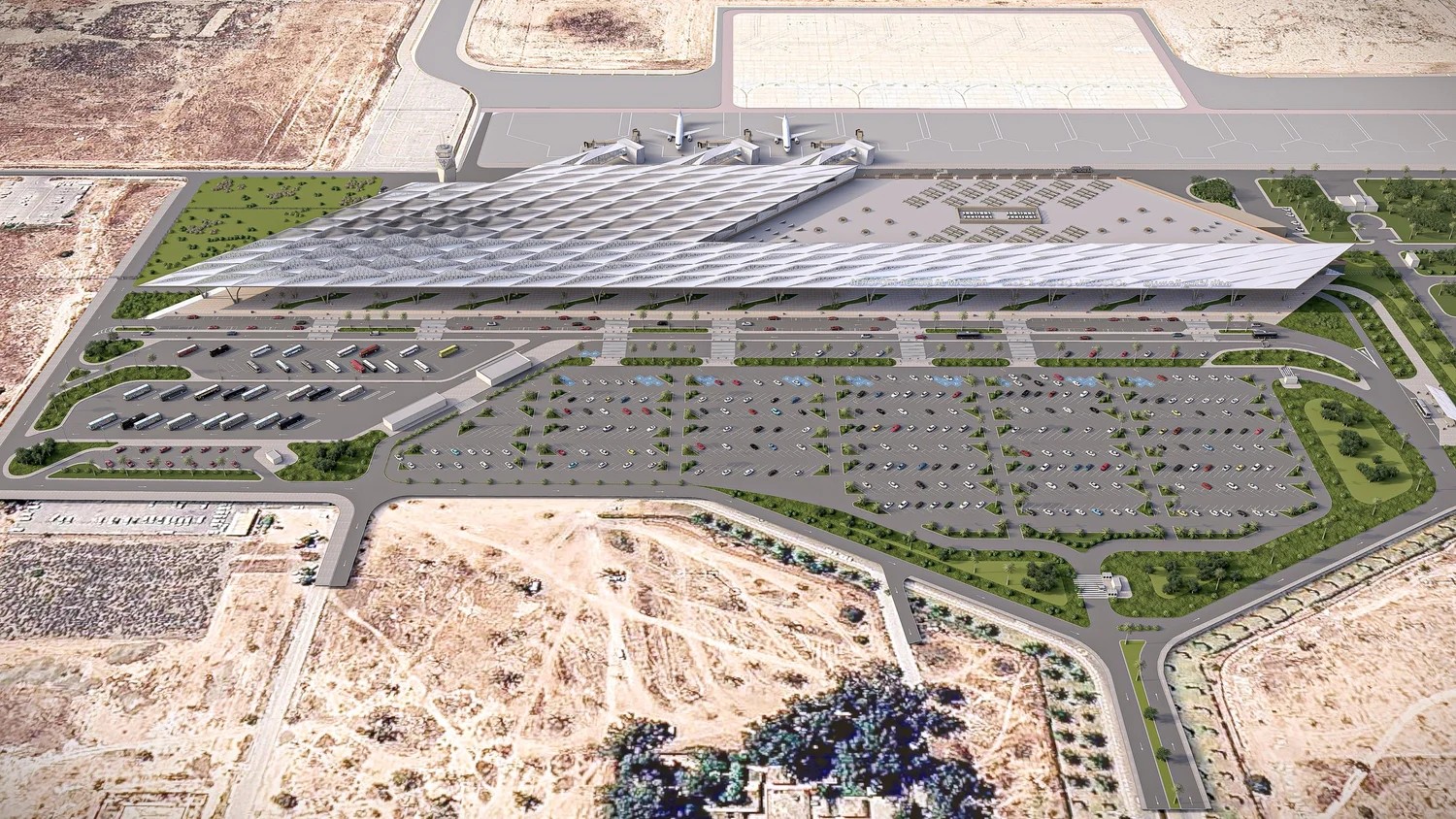
Agadir Al Massira Airport Expansion
ONDA has announced a terminal expansion path designed to take total capacity toward 7 million passengers per year, strengthening tourism and business access.
Source: ONDA / architect ↗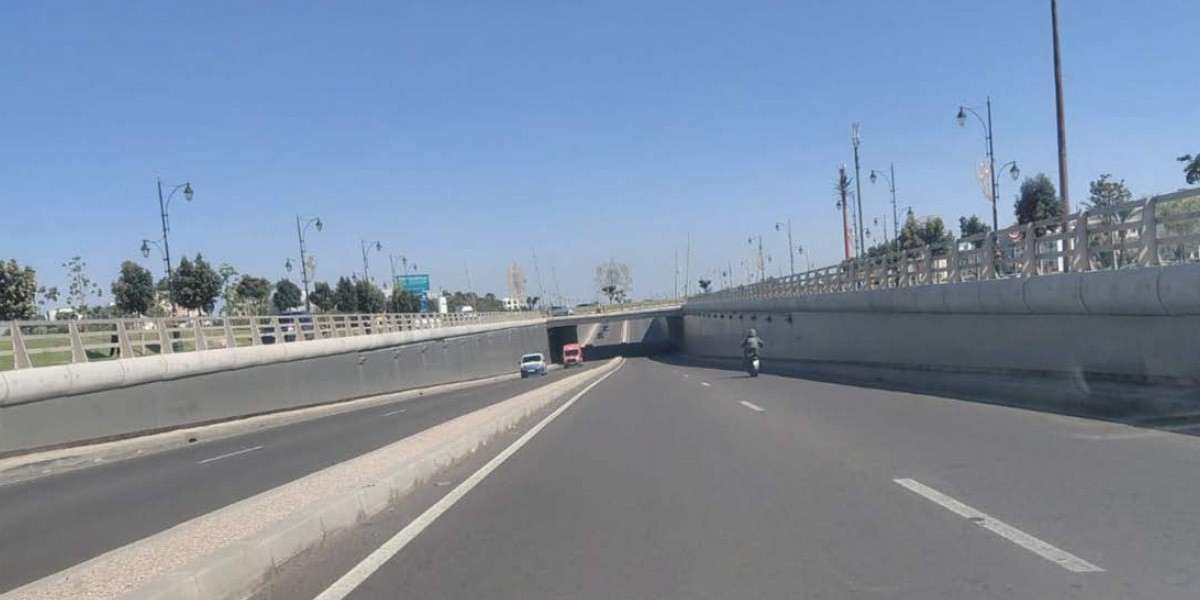 05
North-East Ring Road
Improves movement between the airport side, eastern growth areas, the port and the north of the city.
Source: Le360 ↗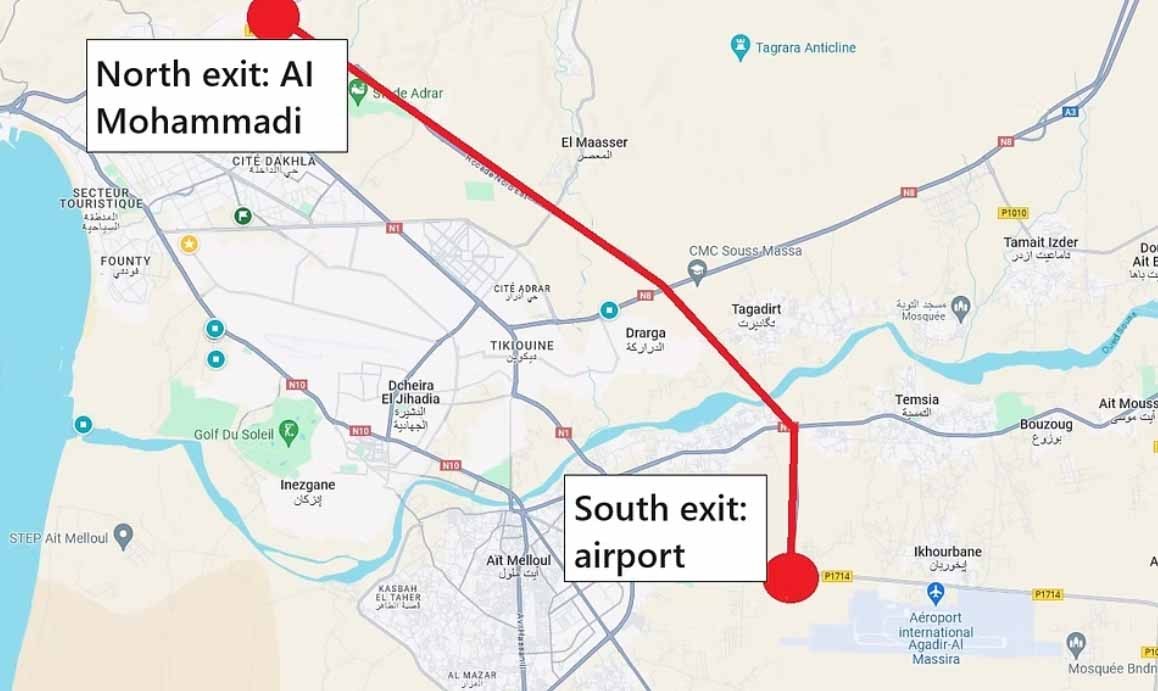 06
Abaraz Underpass
A grade-separated junction designed to reduce congestion on a strategic approach to the expanding metropolitan road network.
Source: Médias24 / context map ↗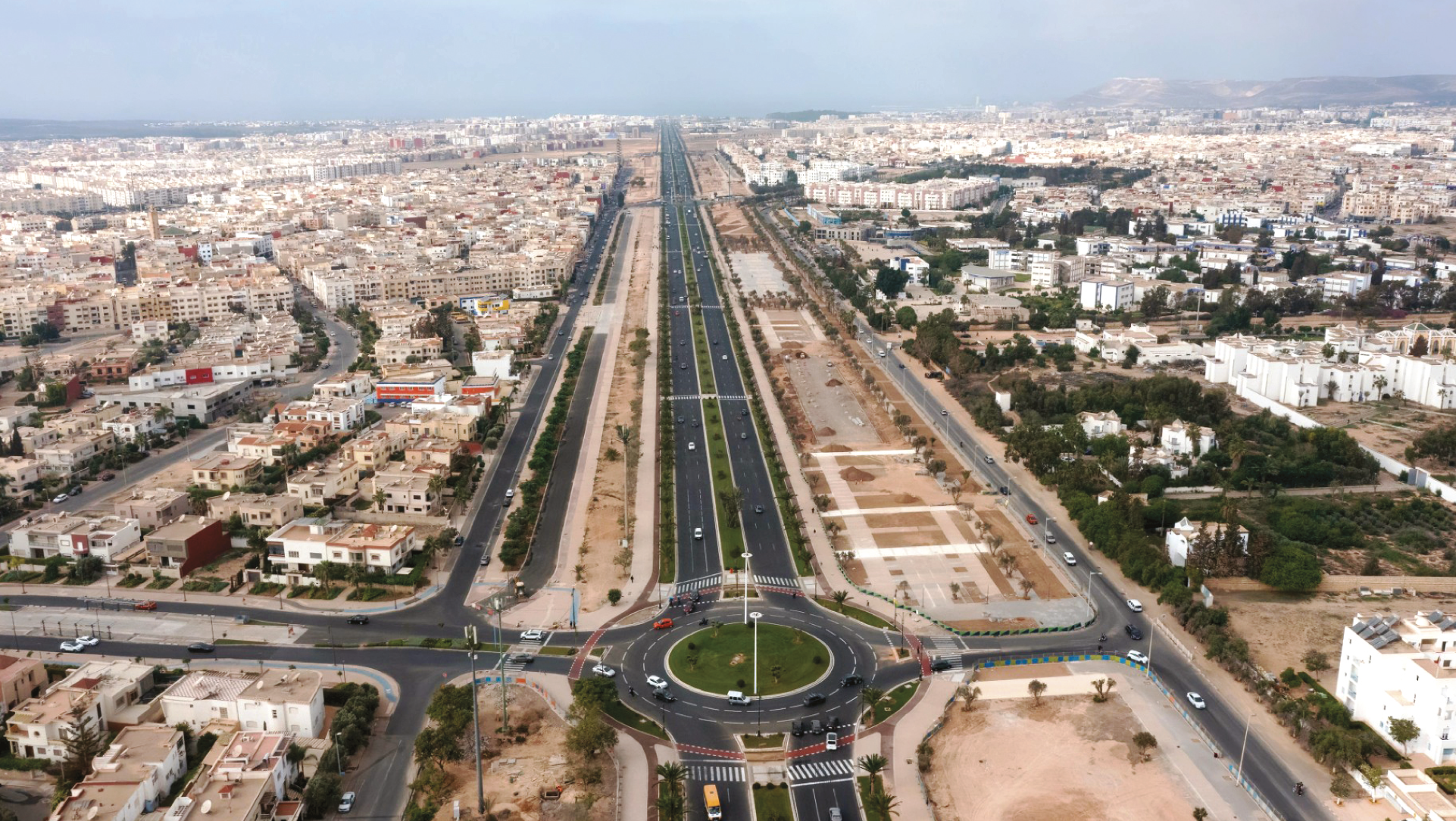 07
Grand Agadir Urban Expressway
A high-capacity urban route intended to remove through-traffic bottlenecks and improve cross-city accessibility.
Source: Agadir Souss-Massa Aménagement ↗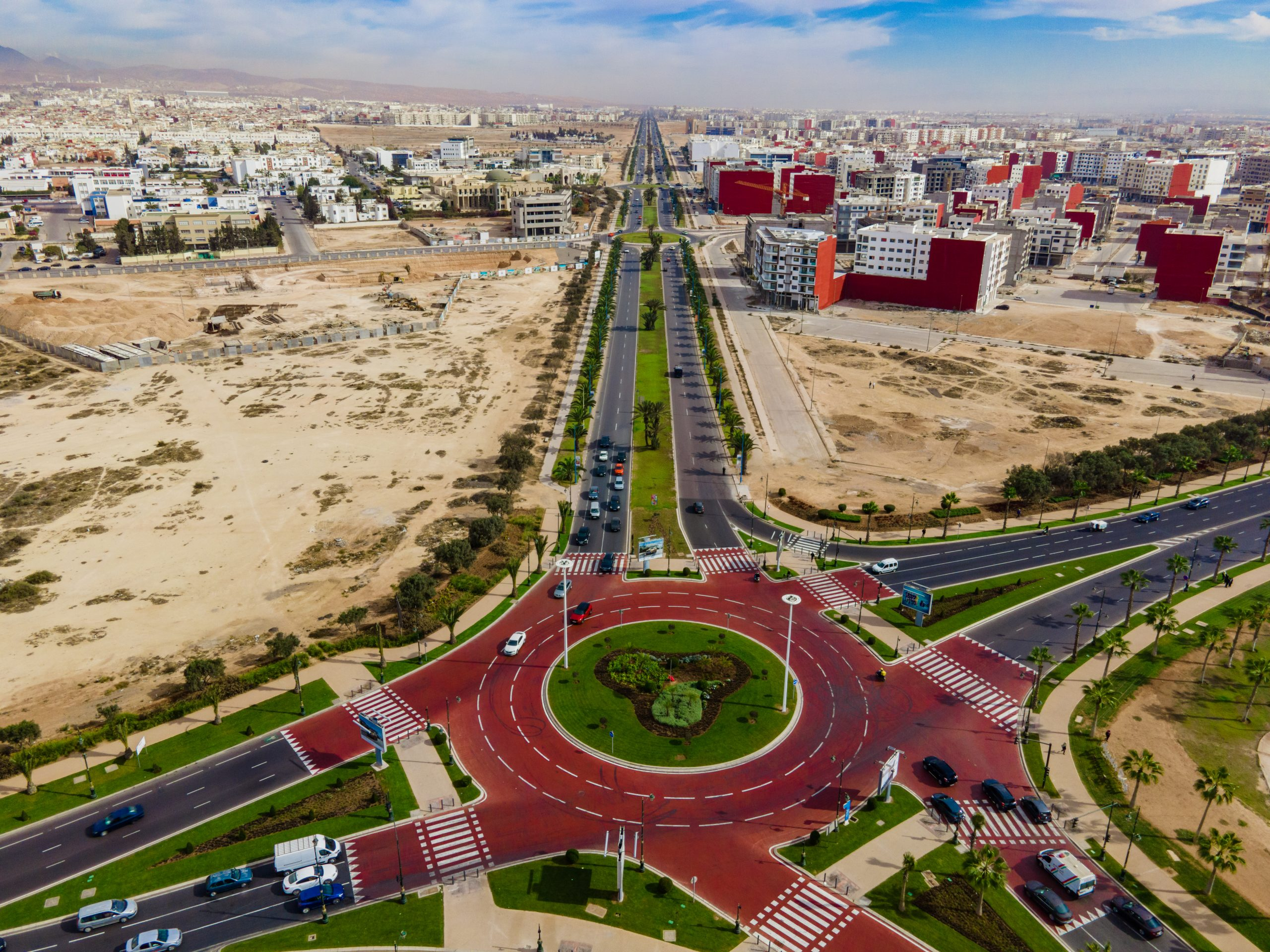 08
East–West Urban Link
A new east–west corridor combining road capacity, walking, cycling, landscaping and public space, opening access to growth districts.
Source: Agadir Souss-Massa Aménagement ↗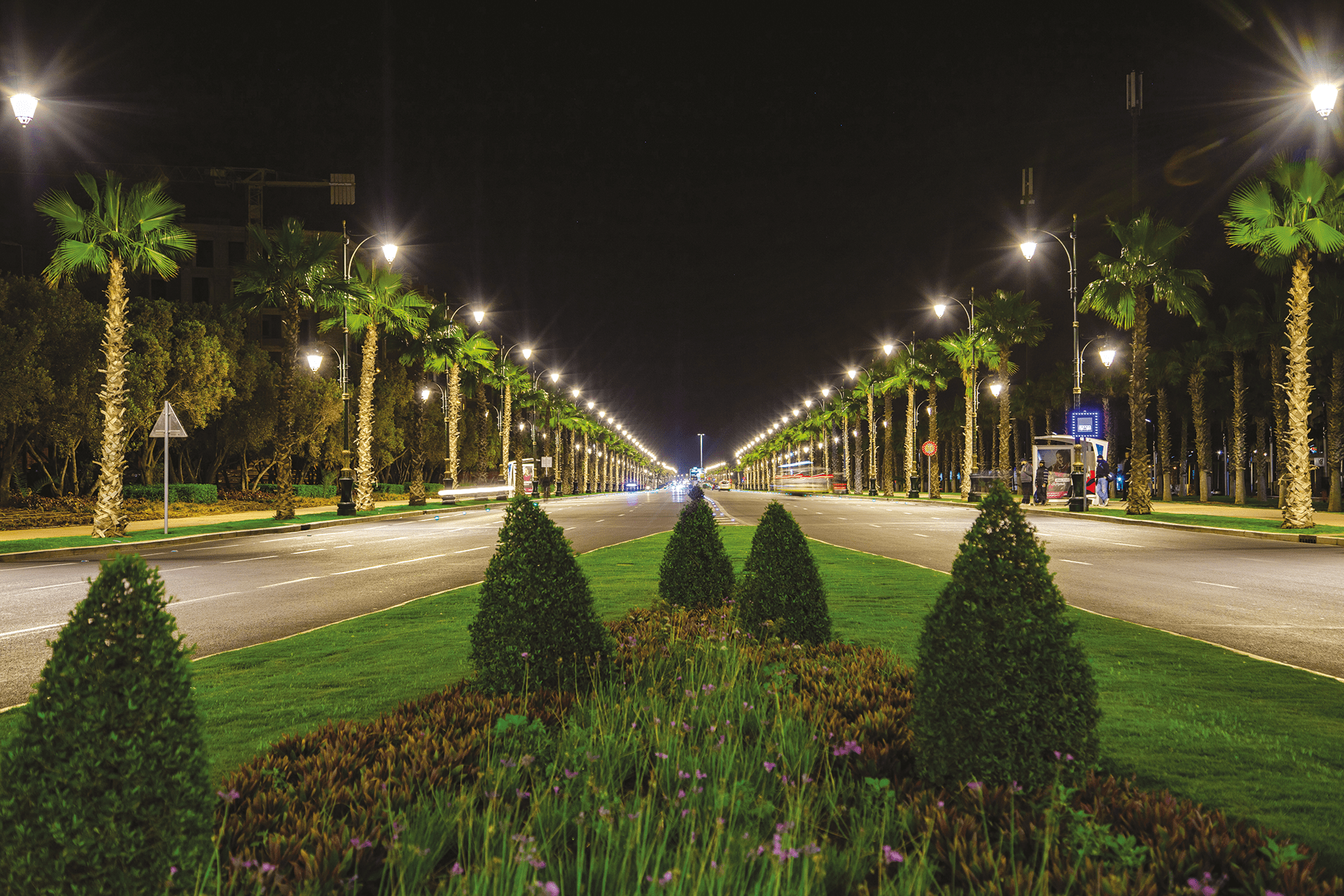 09
Main Boulevard Upgrades
Major avenues are being widened or redesigned, raising the quality and accessibility of existing urban frontage.
Source: Agadir Souss-Massa Aménagement ↗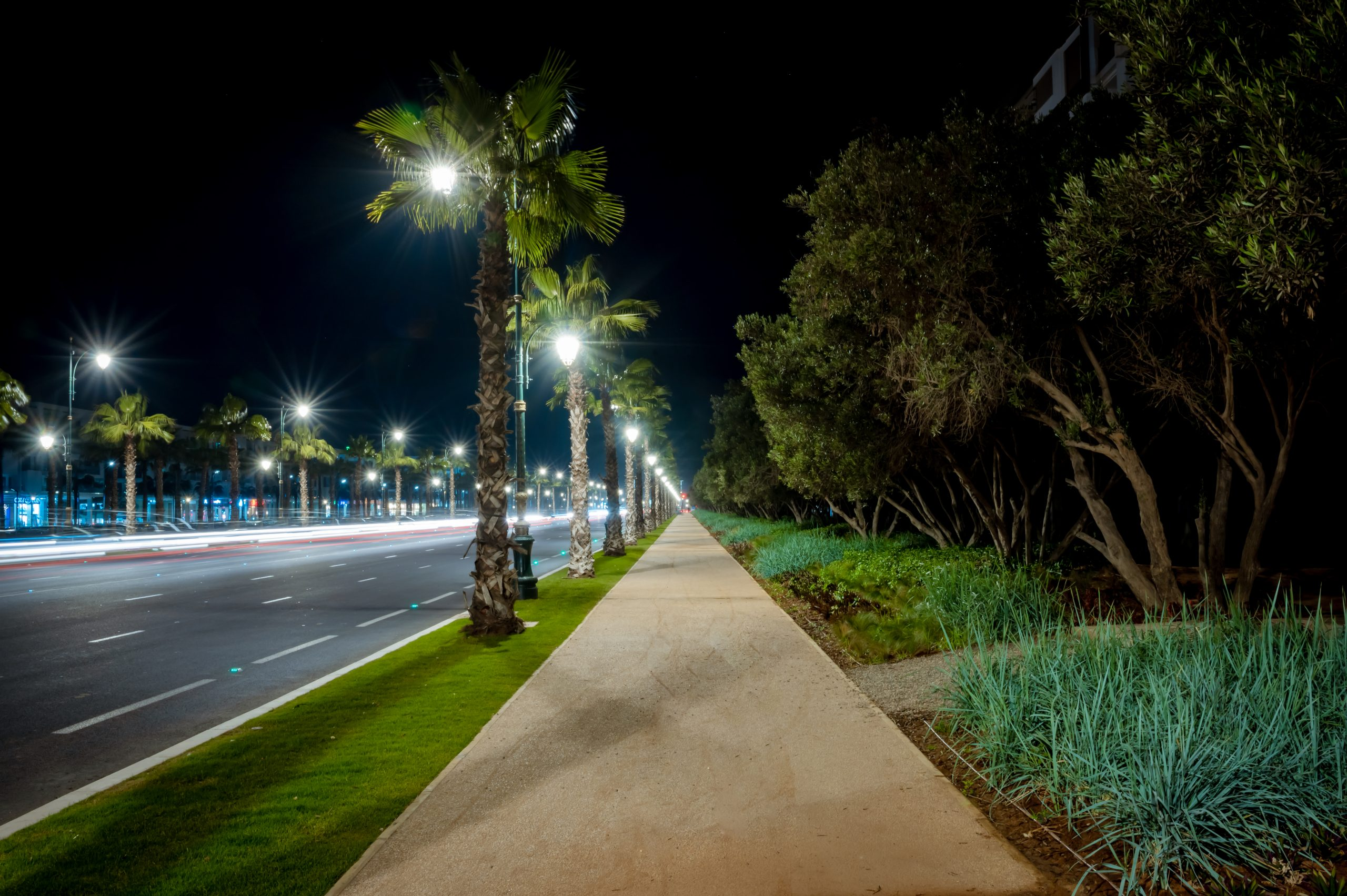 10
City Entrances: Anza, Bensergao & Tikiouine
The principal gateways to Agadir are being rebuilt and landscaped, improving first impressions and access to surrounding districts.
Source: Agadir Souss-Massa Aménagement ↗ 11
Amalway Trambus — Line 1
The first high-level bus corridor links the port with Tikiouine while upgrading streets and public space along the route.
Source: Agadir Mobilité ↗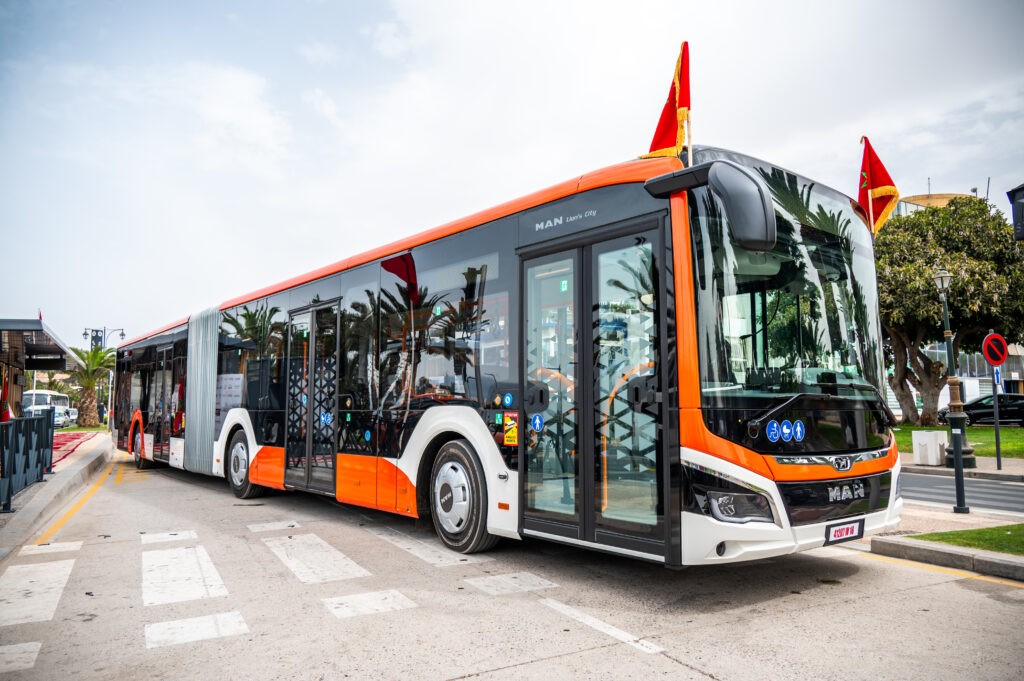 12
Amalway / TCSP — Line 2
Planned rapid-transit expansion toward Inezgane and Aït Melloul would extend the catchment of the metropolitan public-transport network.
Source: Agadir Mobilité ↗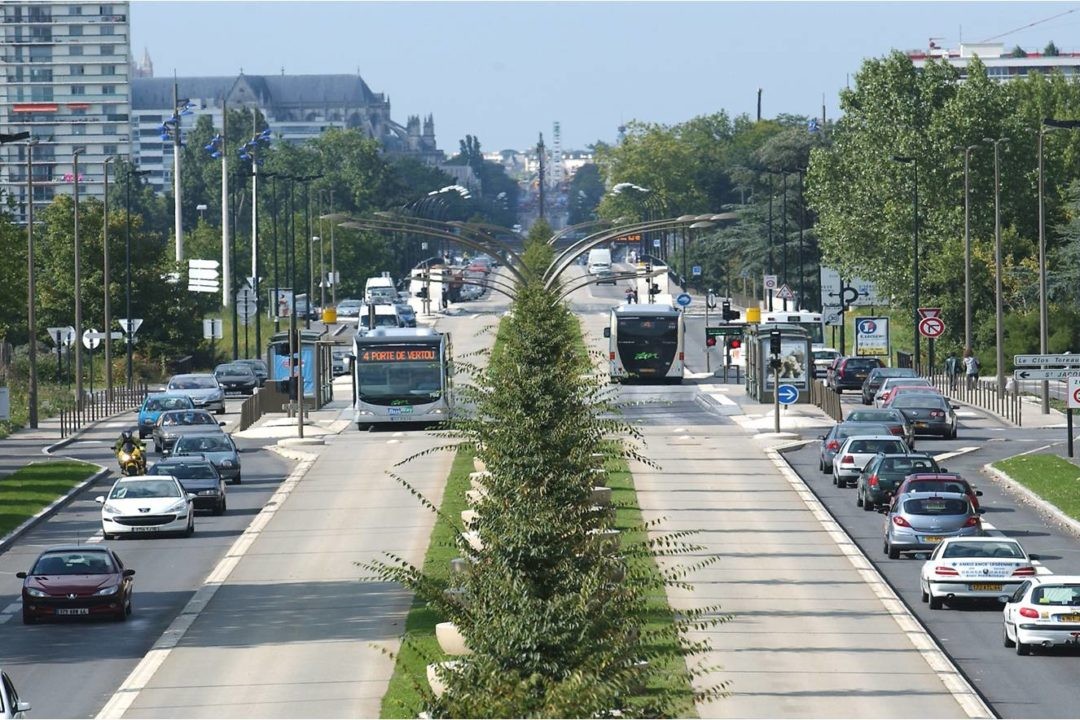 13
Amalway / TCSP — Line 3
A proposed link toward Drarga, Dcheira and employment zones would connect housing growth with industrial and logistics activity.
Source: Agadir Mobilité ↗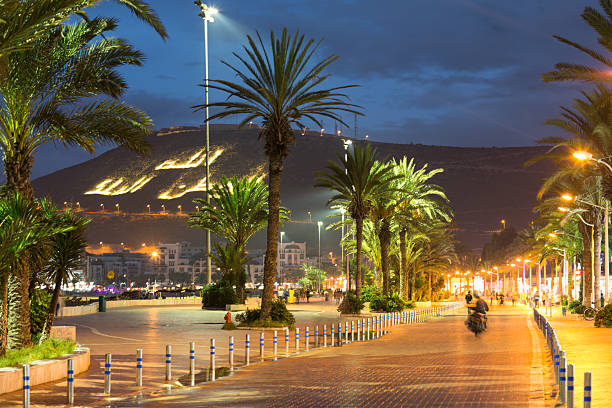 14
Corniche & Tourist Zone Renewal
The beachfront visitor economy is being reinforced through public-space, recreation, landscaping and access upgrades.
Source: Agadir Souss-Massa Aménagement ↗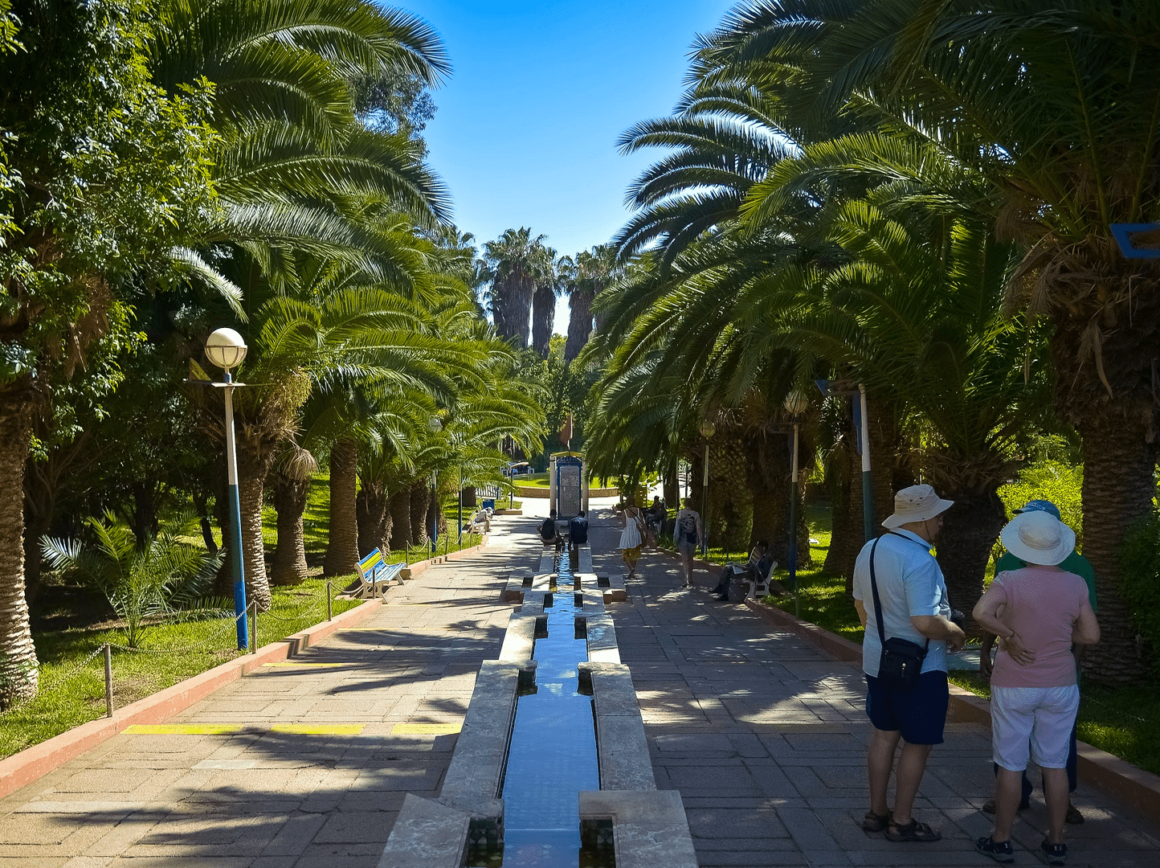 15
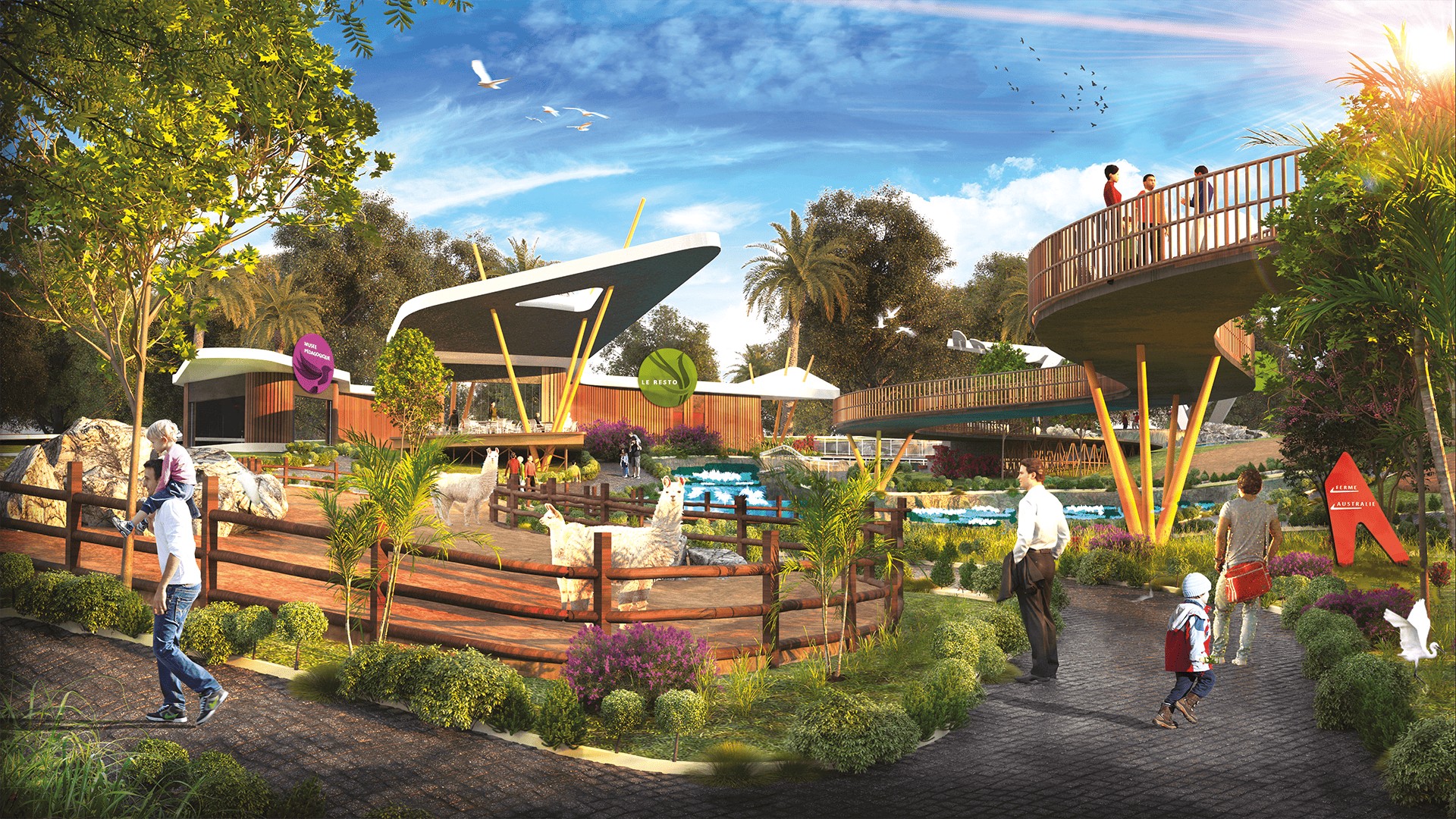
Vallée des Oiseaux Renewal
A central-city park is being renewed as a family, educational and tourism asset.
Source: Agadir Souss-Massa Aménagement ↗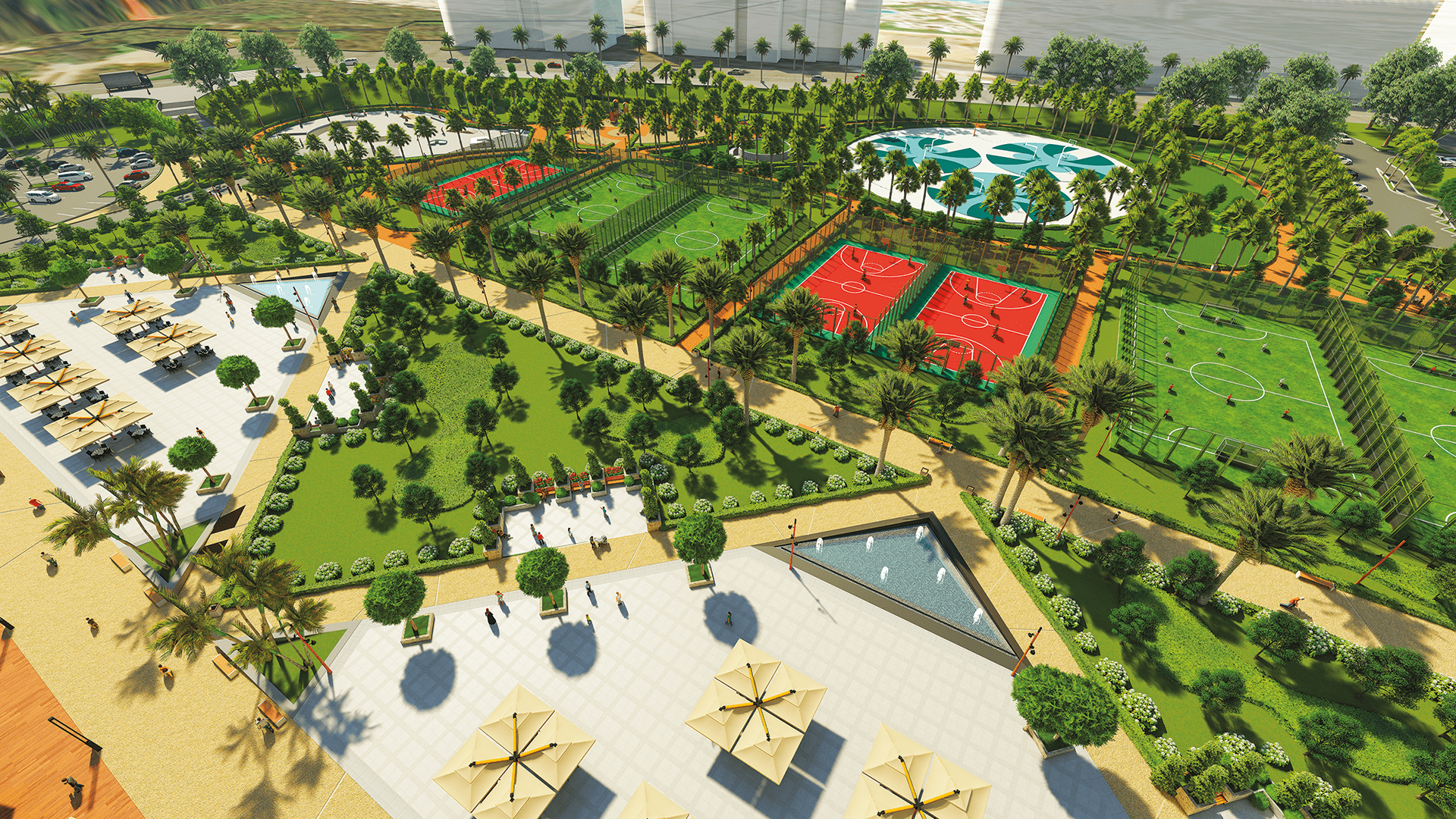 16
Al Inbiâat Urban Park
A major central green and cultural district combining public space, sport, parking and new cultural facilities.
Source: Agadir Souss-Massa Aménagement ↗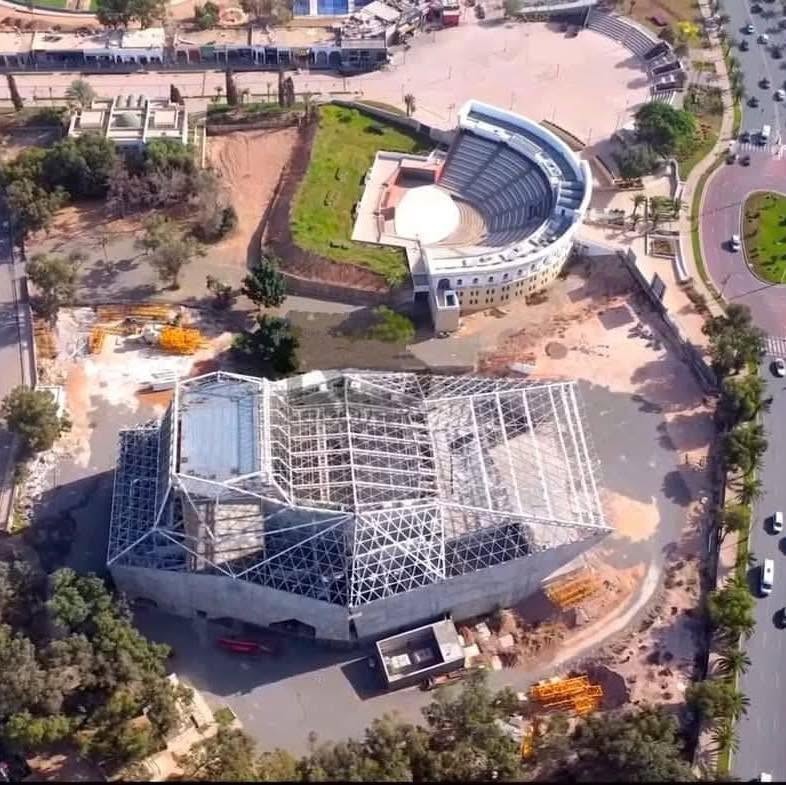 17
Grand Théâtre d'Agadir
A flagship cultural venue within the Al Inbiâat district, adding year-round cultural activity to the city centre.
Source: Project / Agadir Souss-Massa Aménagement ↗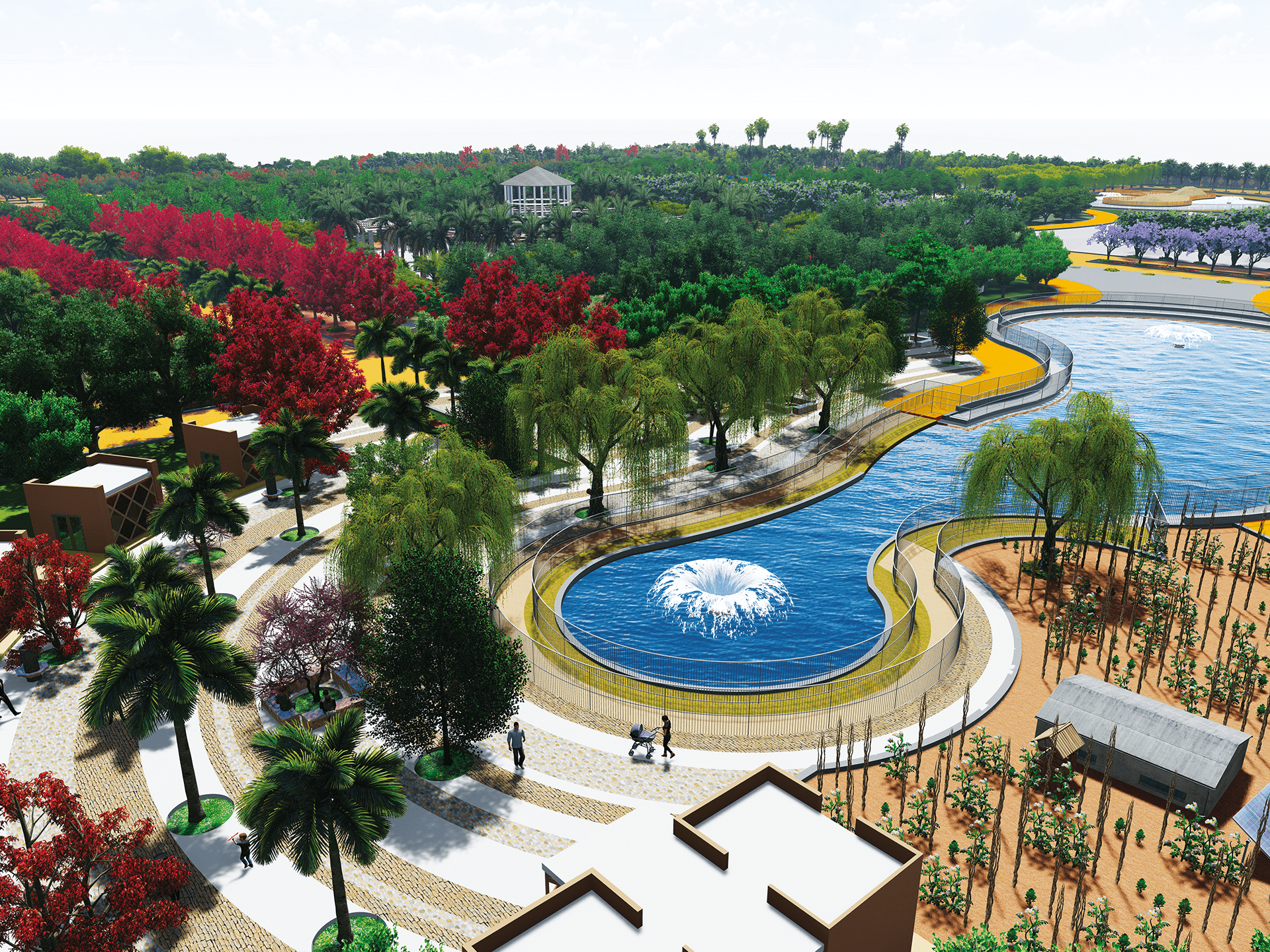 18
Tikiouine Metropolitan Park
A large-scale park programme bringing sport, leisure and green infrastructure to an important eastern growth area.
Source: Agadir Souss-Massa Aménagement ↗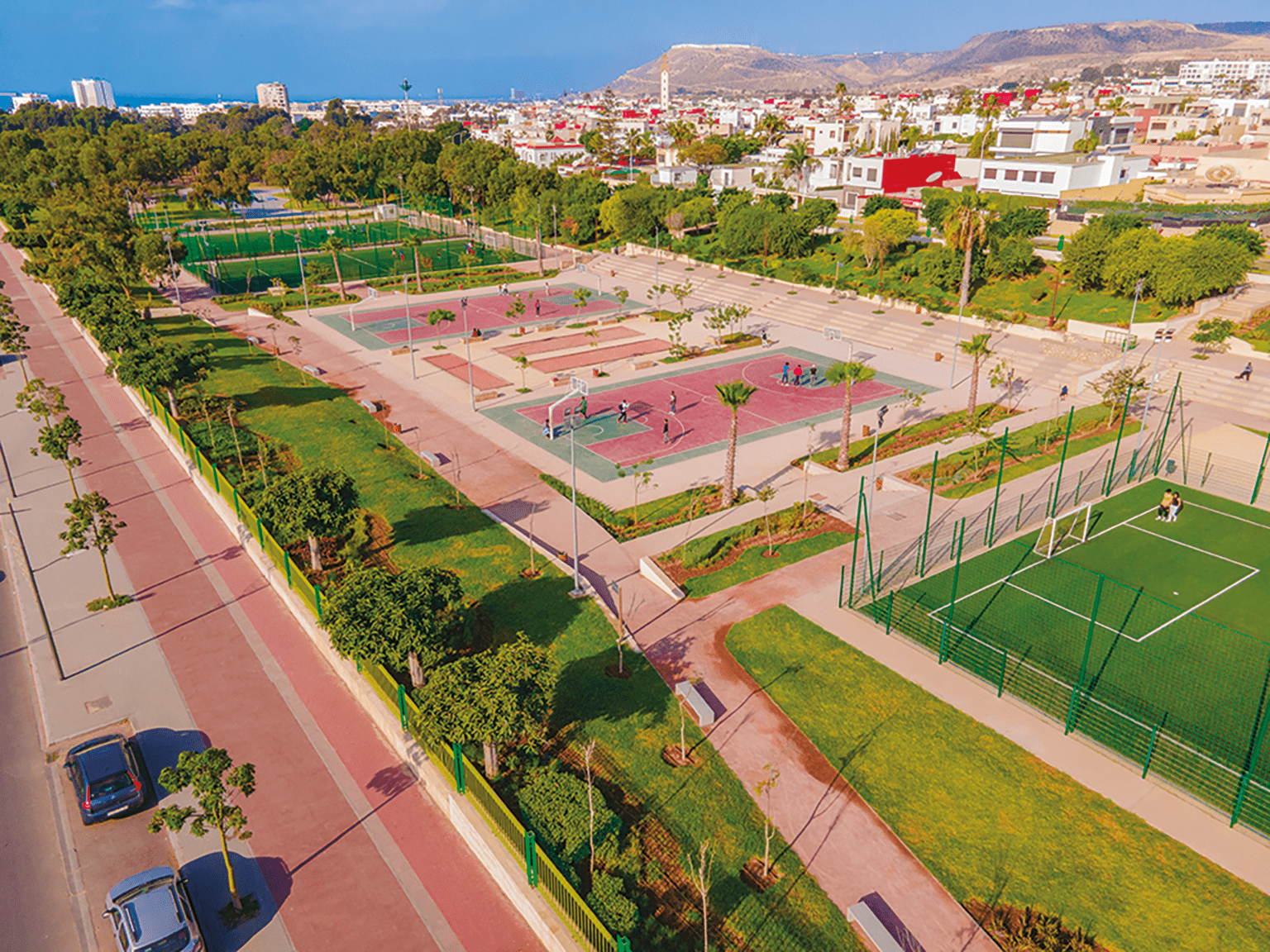 19
Ibn Zaidoun Park
A visible example of the city-wide programme to raise the quality of everyday public space.
Source: Agadir Souss-Massa Aménagement ↗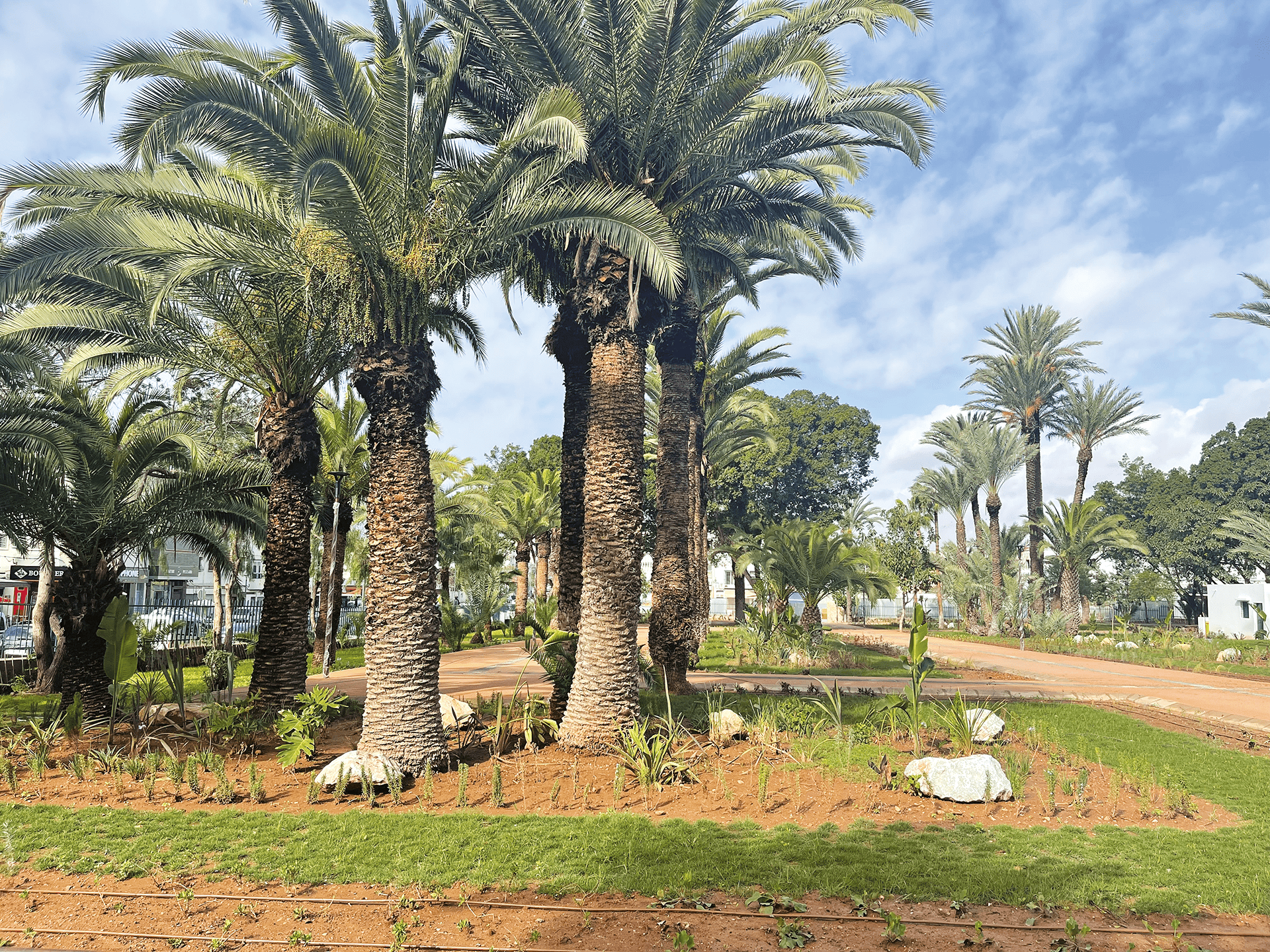 20
Olhão & Lalla Meryem Gardens
Historic gardens are being renewed to improve walkability, amenity and urban identity.
Source: Agadir Souss-Massa Aménagement ↗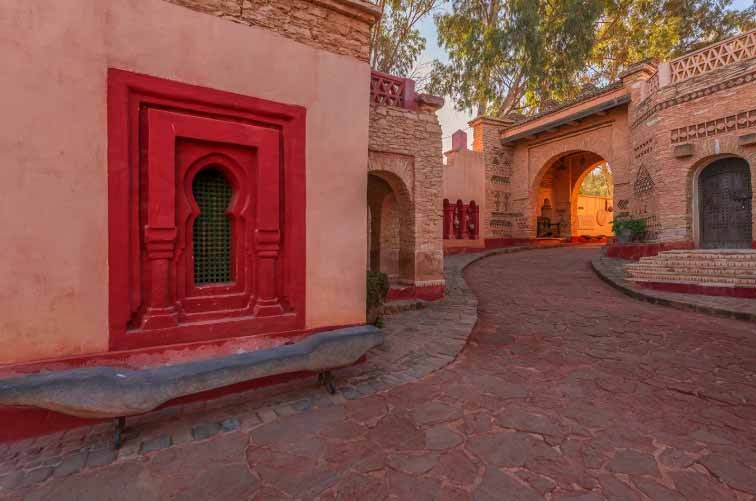 21
Annajah–Safa Park
A new park accompanies wider neighbourhood-upgrading programmes and raises local residential amenity.
Source: Médias24 ↗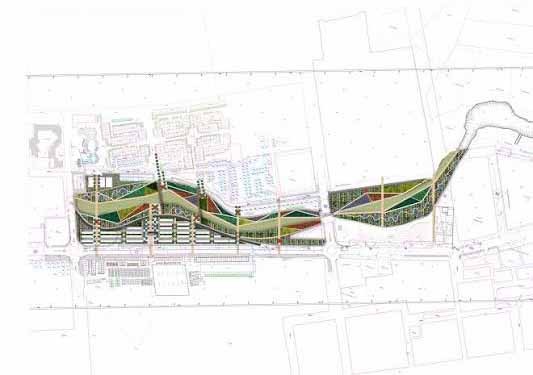 22
Oued Lahouar Park
A linear green and recreation project adding sports, walking and cycling infrastructure to the urban fabric.
Source: City of Agadir ↗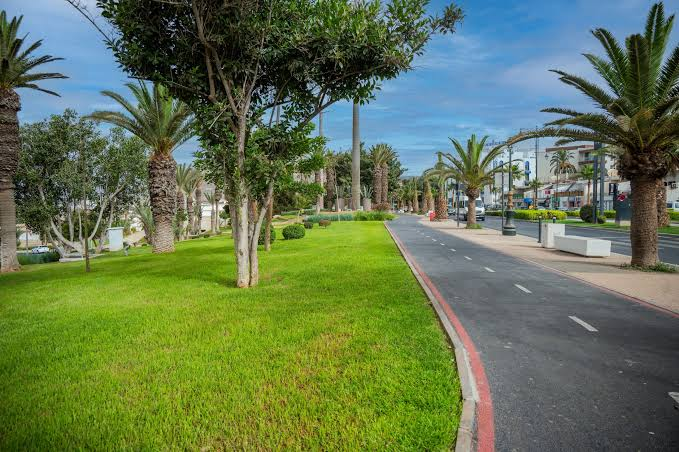 23
City-Wide Green Infrastructure Programme
An expanding network of parks, gardens and green corridors supports quality of life and climate resilience.
Source: City of Agadir ↗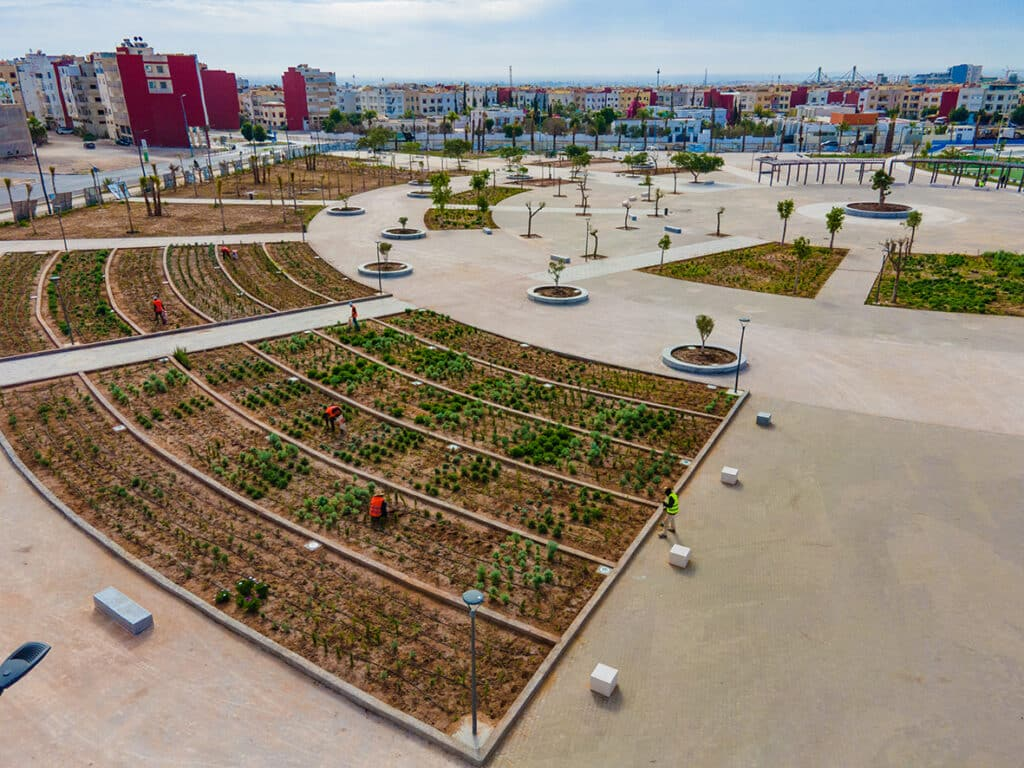 24
Neighbourhood Renewal 2026–2027
Roads, lighting and public-space improvements extend renewal beyond the tourism core into residential neighbourhoods.
Source: City of Agadir ↗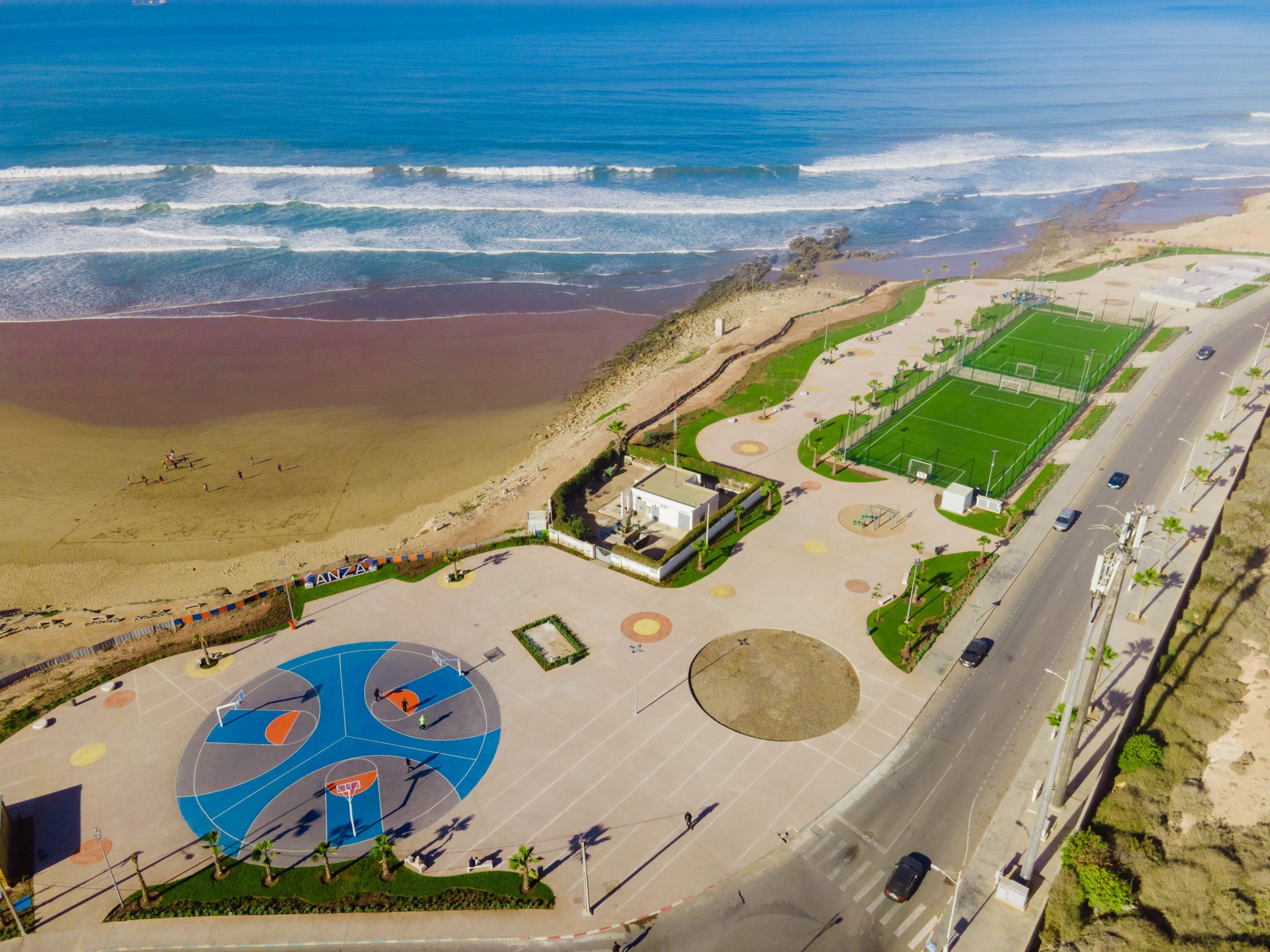 25
Anza Al Oulya & Underserved District Upgrades
Improved access, lighting and public amenities can change the attractiveness of previously under-served residential areas.
Source: City of Agadir ↗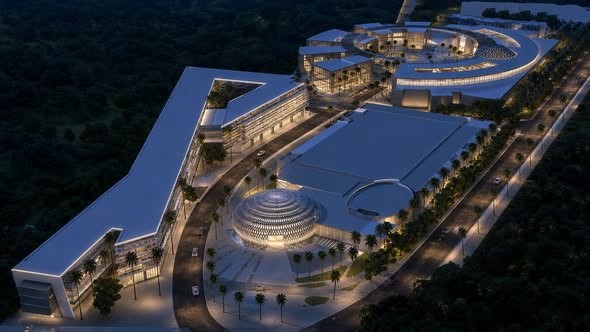 26
Convention & Exhibition Centre
Business events diversify demand beyond traditional beach tourism and help support year-round hospitality occupancy.
Source: Project / Médias24 ↗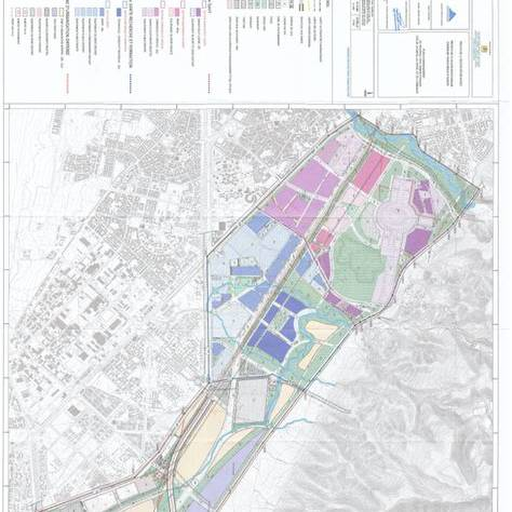 27
Agadir North Sector Plan
New planning rules on the northern side can unlock additional development while structuring Anza and the coastal corridor.
Source: Agadir Urban Agency ↗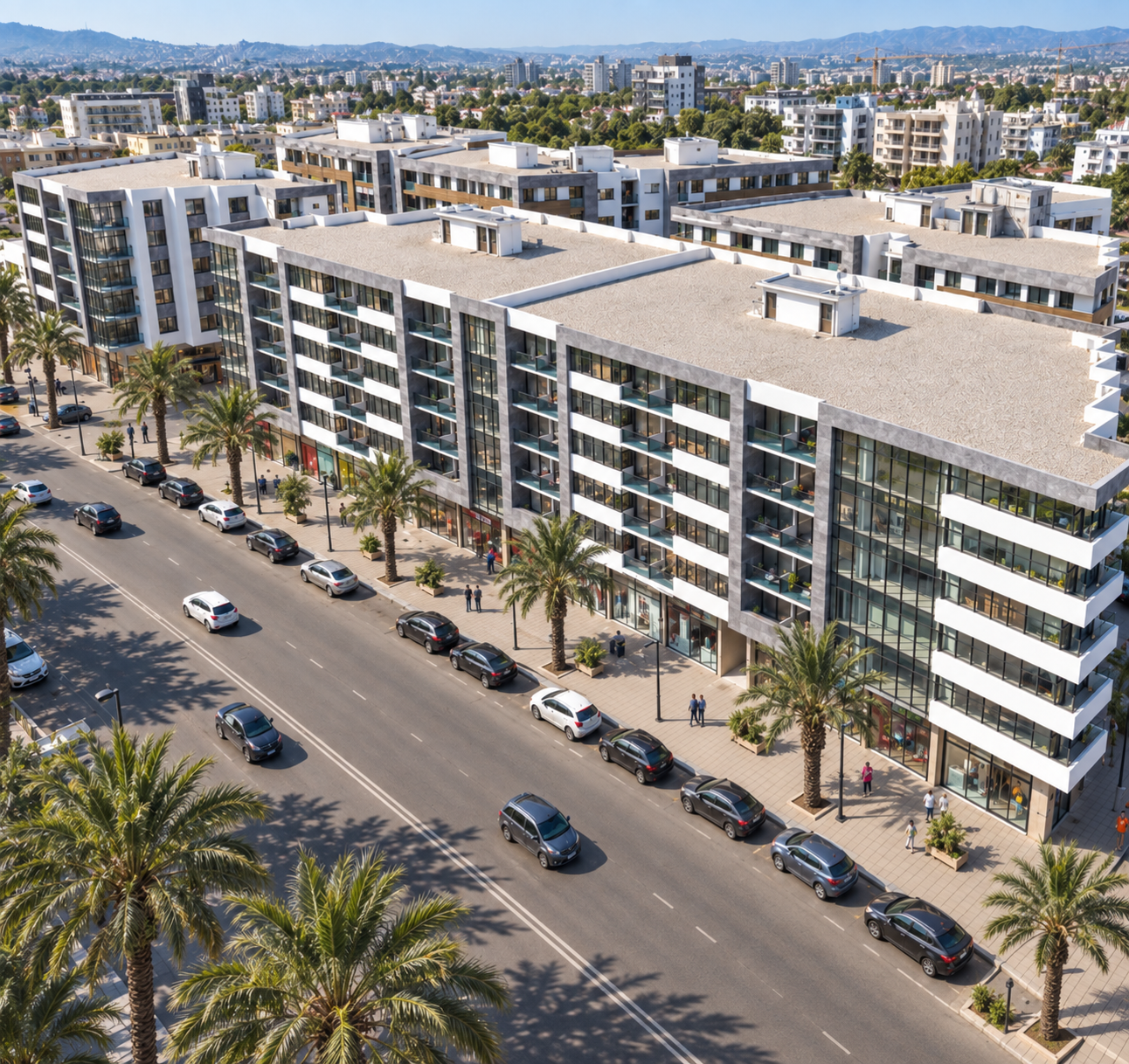 28
Agadir South Sector Plan
A large southern planning area provides a framework for future housing, roads, services and commercial activity.
Source: Agadir Urban Agency ↗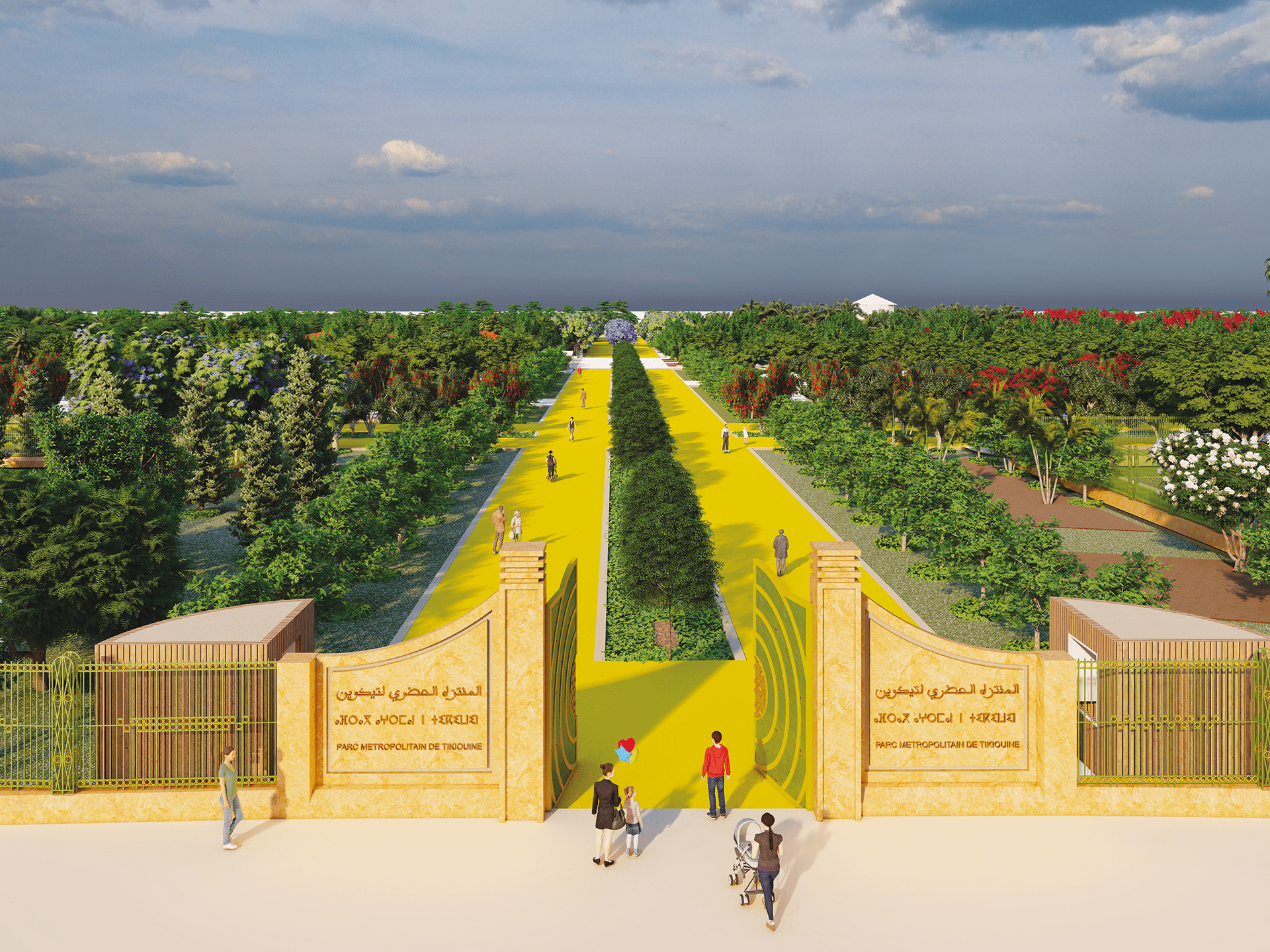 29
Tikiouine Expansion Plan
The approximately 1,462-hectare draft plan links Tikiouine more strongly to Drarga and Dcheira and programs roads, facilities and green space.
Source: Agadir Urban Agency ↗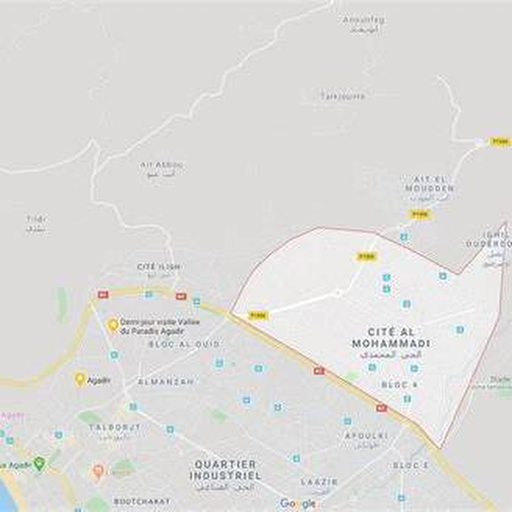 30
Hay Mohammadi Development
A major existing growth district where housing, services and access improvements continue to extend the city eastward.
Source: Agadir Urban Agency ↗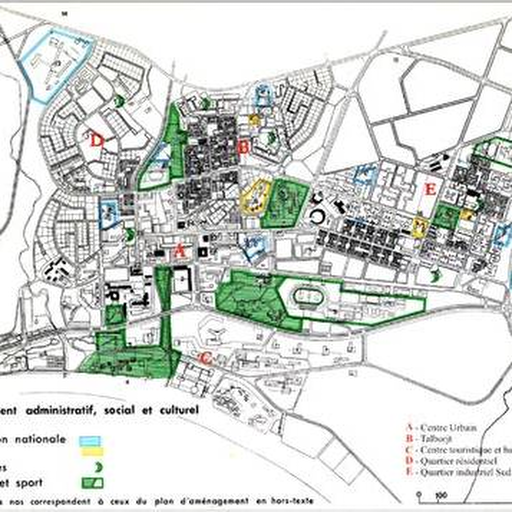 31
Anza Future Urban Development
The northern coastal district sits between the port, established neighbourhoods and the wider coastal tourism corridor.
Source: Agadir Urban Agency ↗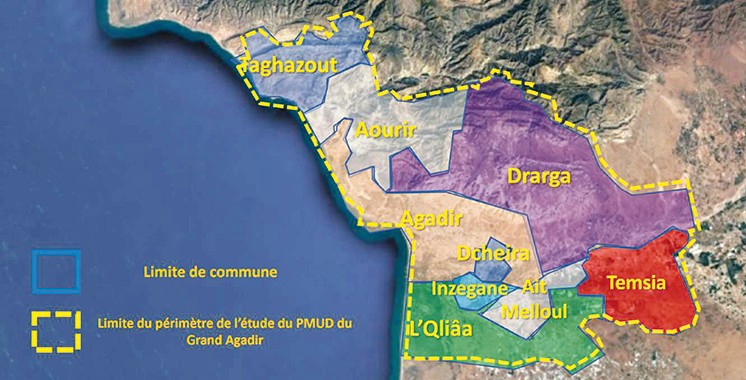 32
Temsia / Eastern Grand Agadir Expansion
The approximately 62 km² Temsia plan is designed for a future population of 76,585 by 2035 and stronger links with Drarga and Grand Agadir.
Source: Agadir Urban Agency ↗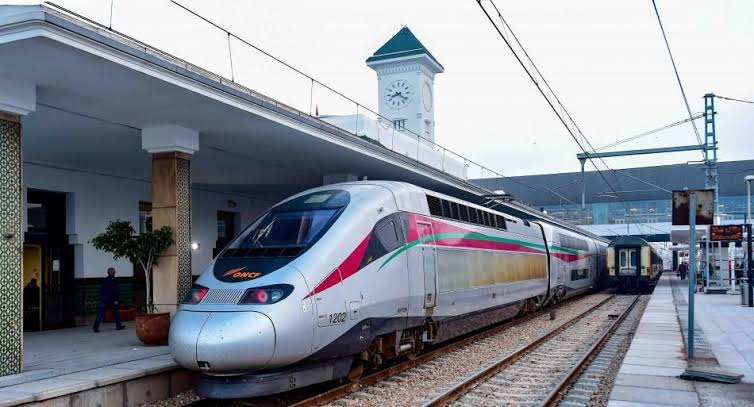 33
Marrakech–Agadir High-Speed Rail Concept
A long-term rail connection would materially change access to Agadir, but should be treated as a future project rather than completed infrastructure.
Source: ONCF / concept context ↗ 34
Future Multimodal Hub
Land reservation around the new urban pole anticipates a future multimodal transport interchange.
Source: Agadir Urban Agency / plan context ↗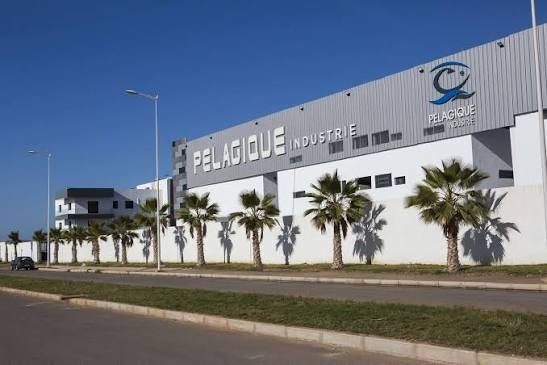 35
Haliopolis + Agropole + Drarga Employment Cluster
Agri-food, seafood processing and industrial activity create jobs on the eastern side of the metropolitan area and support nearby housing demand.
Source: MEDZ ↗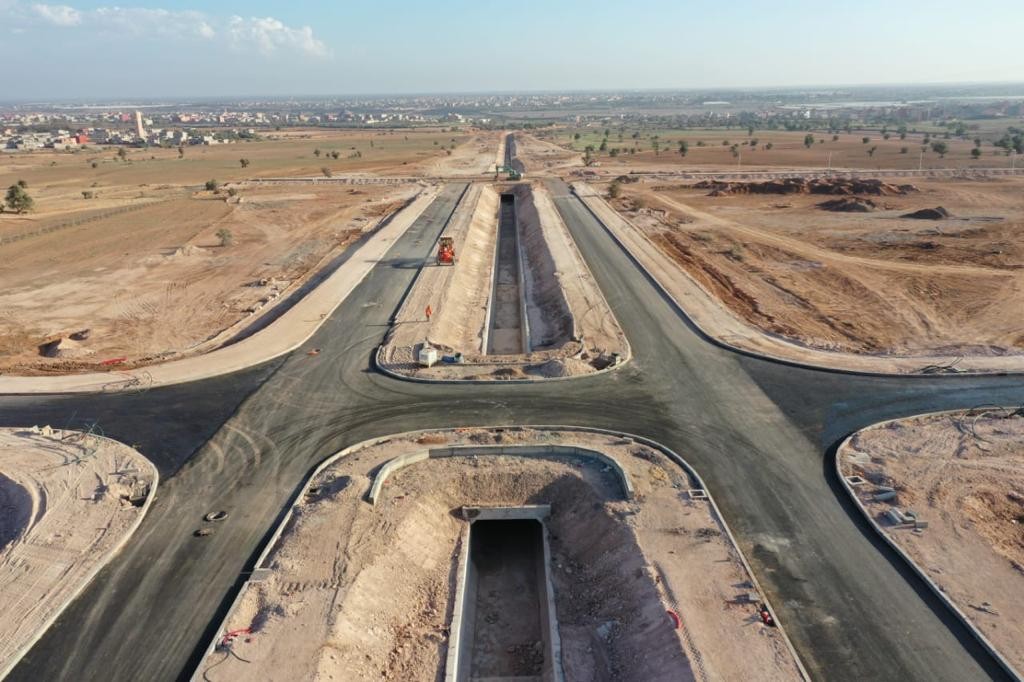 36
Souss-Massa Industrial Acceleration Zone
Export-oriented industrial development diversifies the regional economy and broadens the employment base beyond tourism.
Source: MEDZ / industrial platform ↗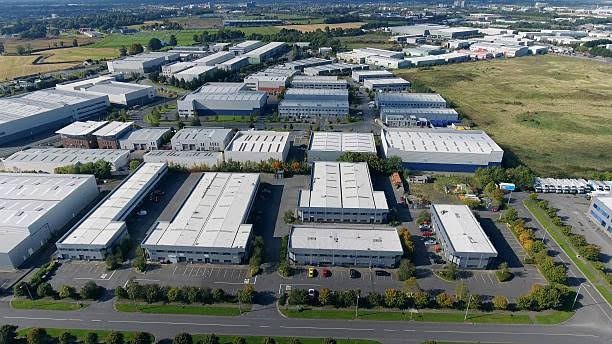 37
Agadir Integrated Industrial Parks I, II & III
Additional industrial land near Drarga supports logistics, manufacturing and a larger permanent workforce.
Source: Industrial estate context ↗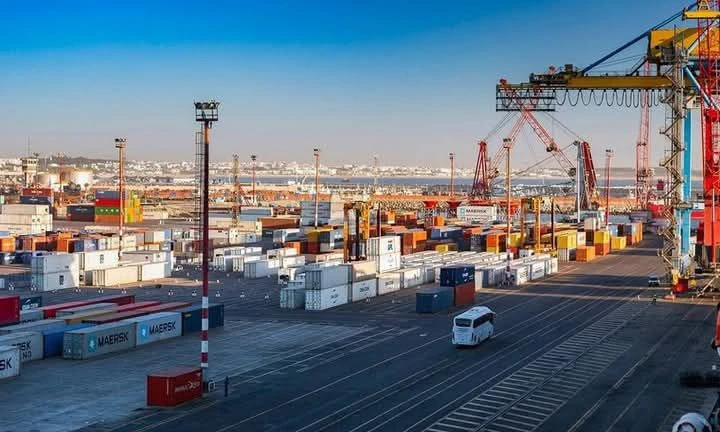 38
Dry Port / Agadir Atlantic Logistics Hub
A dry-port concept would improve the connection between the port, industrial zones and national logistics flows.
Source: Project context ↗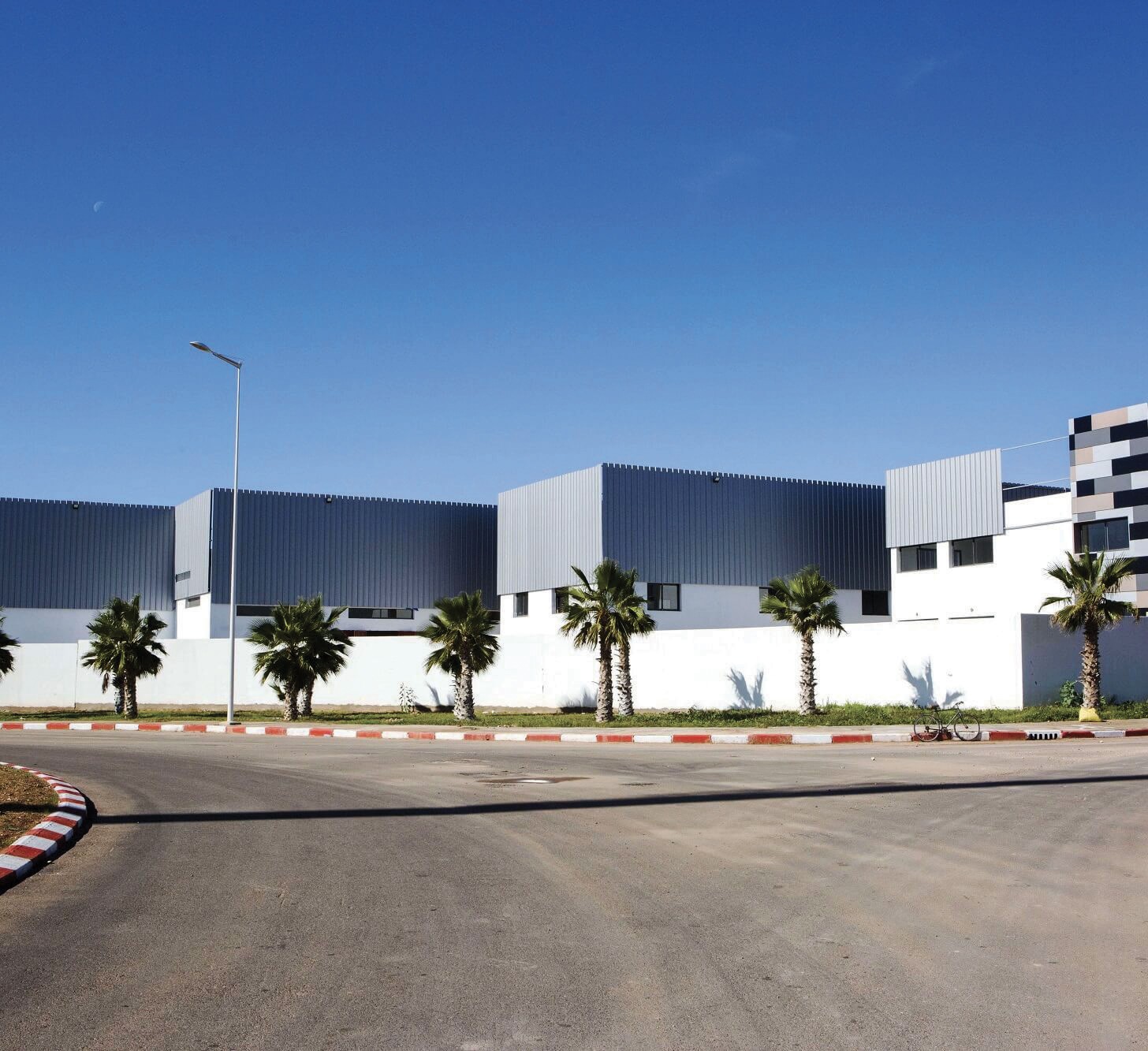 39
Agadir Tech Valley
Technology and service-sector growth can add higher-value employment and diversify demand for offices and urban housing.
Source: Technopark / project context ↗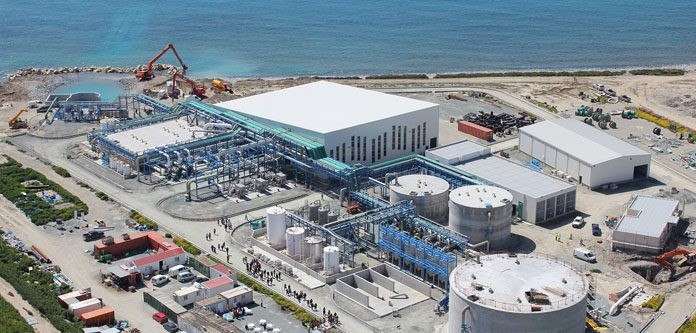 40
Water & Climate Infrastructure
Desalination, wastewater reuse and network upgrades are enabling infrastructure for population growth, tourism, industry and urban greening.
Source: Regional / Green City context ↗Investor takeaway
PUBLIC INVESTMENT CHANGES THE MAP OF OPPORTUNITY.
The strongest real-estate effects are rarely uniform across a city. They tend to concentrate where improved access, new amenities, employment growth and legal planning capacity overlap. Part 2 identifies those housing corridors and tests the value-growth thesis against demographic and market data.
PART 02Housing Development & Property Value Growth →